|
|
|
|
|
|
|
|
|
|
| |
Minneapolis
Protests
Rage On:
New
Shooting
Details
Fuel
Anti-ICE
Fury
Tanya
Somerfield
-
Immigration/Law
Tell Us
USA News
Network
MINNEAPOLIS,
MN -
Thousands
of
demonstrators
remained
in the
streets
of
Minneapolis
on
Friday
as
anti‑ICE
protests
entered
a second
week,
fueled
by new
details
about
the
fatal
shooting
of
37‑year‑old
Renee
Nicole
Good and
fresh
clashes
between
federal
agents
and
crowds
near key
federal
facilities.
New
details
in Renee
Good
shooting
Newly
released
police,
fire and
911
records
show
Good was
still
alive
when
Minneapolis
fire
medics
reached
her SUV
after
she was
shot
multiple
times by
an
Immigration
and
Customs
Enforcement
officer
during a
January
7
enforcement
operation.
The
reports
describe
“apparent
gunshot
wounds”
to her
chest,
forearm
and face
and an
“unresponsive,
not
breathing”
patient
with a
weak
pulse
before
she was
later
pronounced
dead,
sharpening
questions
about
the use
of force
and the
timeline
of
medical
aid.
Federal
officials
continue
to
defend
the
shooting
as
self‑defense,
saying
ICE
agent
Jonathan
Ross
opened
fire
after
Good
allegedly
drove
her
Honda
SUV
toward
officers,
while
Minnesota
leaders
point to
video
and
eyewitness
accounts
they say
contradict
claims
that she
tried to
run him
over.
Homeland
Security
Secretary
Kristi
Noem has
labeled
Good a
“domestic
terrorist,”
a
characterization
state
and
local
officials
have
condemned
as
inflammatory
and
unsupported
by
public
evidence.
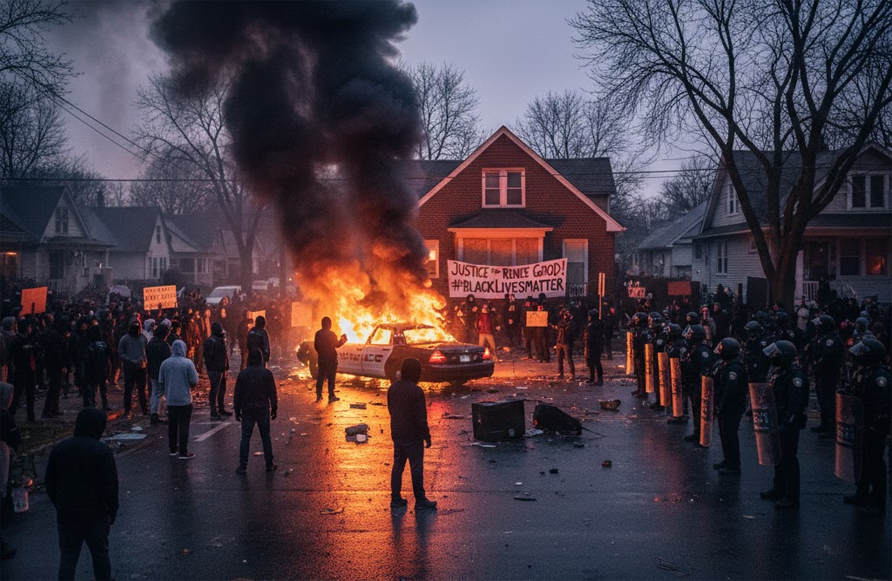
Protests
intensify
and
spread
Daily
demonstrations
outside
federal
buildings
and
along
major
corridors
in
Minneapolis
have
drawn
large,
often
tense
crowds,
with
protesters
chanting
Good’s
name,
calling
for ICE
to leave
the city
and
demanding
criminal
charges
against
the
officer
who shot
her.
Activist
networks
tied to
the “ICE
Out for
Good”
coalition
have
continued
organizing
marches,
vigils
and
direct
actions,
saying
the
shooting
has
become a
symbol
of what
they
describe
as an
abusive
and
unaccountable
immigration
crackdown.
Federal
authorities
say the
protests
have at
times
turned
confrontational,
reporting
vandalized
vehicles
tagged
with
anti‑ICE
graffiti
and
scenes
where
agents
deployed
gas and
what
appeared
to be
flash‑bang
devices
to
disperse
crowds.
Residents
interviewed
in
affected
neighborhoods
say the
heavy
federal
presence
and
rolling
street
closures
make the
city
feel
like it
is under
occupation,
deepening
fear
among
immigrants
and
U.S.‑born
residents
alike.
New
clashes
and
arrests
The
Department
of
Homeland
Security
on
Friday
announced
at least
12
arrests
tied to
protests
near the
Whipple
Federal
Building
by Fort
Snelling,
accusing
demonstrators
of
assaulting
law
enforcement
after a
crowd
surrounded
a
vehicle
carrying
federal
agents.
Video
from the
scene
shows at
least
one
agent
drawing
a
handgun
as
protesters
swarm
the
vehicle
before
officers
push
people
back and
begin
making
arrests.
Separately,
federal
officials
confirmed
that an
ICE
officer
shot and
wounded
a man
during a
confrontation
linked
to
ongoing
protests
in
Minneapolis
this
week,
saying
the man
fled a
traffic
stop and
struggled
with the
officer
as two
others
joined
in with
a shovel
and a
broom.
That
shooting,
which
remains
under
investigation,
has
further
inflamed
anger
among
protesters
who see
a
pattern
of
escalating
force
rather
than
de‑escalation.
Federal
surge
and
political
fallout
The
unrest
comes
amid a
broader
federal
operation
that has
sent
hundreds,
and
possibly
thousands,
of
additional
immigration
agents
into
Minnesota
as part
of
President
Donald
Trump’s
expanded
interior
enforcement
push.
Federal
officials
say
“Operation
Metro
Surge”
has
produced
hundreds
of
arrests
of
people
they
accuse
of
serious
crimes
such as
fraud,
drug
trafficking
and
child
abuse,
while
critics
argue
the
surge
relies
on
dragnet
tactics,
warrantless
stops
and
racial
profiling.
Minnesota,
Minneapolis
and St.
Paul
have
sued to
rein in
the
operation,
alleging
unconstitutional
arrests,
excessive
force
and
violations
of state
and
local
authority;
a
federal
judge
has so
far
declined
to issue
an
emergency
order
halting
the
crackdown
but
emphasized
the
decision
should
not be
read as
prejudging
the
case.
Mayor
Jacob
Frey has
publicly
warned
that
“two
levels
of
government
are at
odds
with
each
other”
and
called
the
current
standoff
“not
sustainable”
as
protests,
lawsuits
and
federal
deployments
converge.
Investigations
and
what’s
next
The FBI
is
leading
the
criminal
investigation
into
Good’s
killing,
examining
both the
conduct
of the
ICE
agent
and
Good’s
possible
ties to
activist
circles
that
have
long
opposed
Trump’s
immigration
policies.
People
familiar
with the
inquiry
say it
currently
appears
unlikely
the
agent
will
face
criminal
charges,
though
they
stress
that
assessment
could
change
as more
evidence
is
gathered.
In
parallel,
House
Democrats
convened
a field
hearing
in
Minnesota
on the
ICE
surge,
grilling
Homeland
Security
officials
over the
use of
force,
the
deployment
of
federal
agents
and the
impact
on local
communities
as
protesters
rallied
outside.
Activists
say they
plan to
maintain
daily
demonstrations,
legal
clinics
and
rapid‑response
networks
in
Minneapolis
and
beyond,
vowing
to keep
pressure
on
federal
authorities
until
there is
accountability
in
Good’s
death
and a
rollback
of the
enforcement
blitz.
|
|
|
|
|
|
|
|
|




 I
HI TECH NEWS
I
SPORTS
I
I
HI TECH NEWS
I
SPORTS
I