|
|
|
|
|
|
 |
|
|
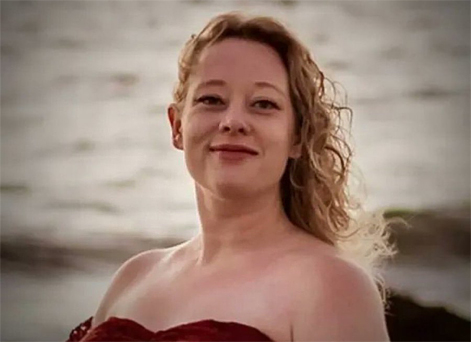
The
woman
gunned
down by
an ICE
agent in
Minneapolis
has been
identified
as
37-year-old
Renee
Nicole
Good,
who
described
herself
as a
mother,
a wife
and a
poet.
Good was
identified
by her
mom
hours
after
she was
killed
when she
allegedly
tried to
ram ICE
agents
on a
street
in the
city.
(School
Photo) |
| |
The
Two-Second
Execution:
Video
Challenges
Federal
"Self-Defense"
Narrative
in
Minneapolis
Shooting
Derick
Adams -
Crime/Law
Tell Us
USA News
Network
MINNEAPOLIS
- At the
corner
of 34th
and
Portland,
the snow
is
stained
with
glass
and
blood,
marking
the site
of a
violent
collision
between
a
massive
federal
immigration
"surge"
and a
local
resident
who paid
the
ultimate
price.
The
official
line
from the
Department
of
Homeland
Security
is
clean:
an
agent,
fearing
for his
life,
neutralized
a threat
from a
"weaponized
vehicle."
But on
the
ground
in South
Minneapolis,
where
the air
still
smells
of
pepper
spray
and
resentment,
the
facts
are
looking
far more
jagged.
The
"Surge"
Meets
the
Street
For
three
days,
the Twin
Cities
have
been
under a
federal
microscope.
Over
2,000
agents—many
in
tactical
gear
with no
identifying
name
tapes—have
descended
on the
city.
The
target,
DHS
claims,
is a
massive
fraud
ring.
The
reality,
according
to
residents,
is a
state of
siege.
Yesterday
morning,
that
siege
turned
fatal.
Sources
within
the
Minneapolis
Police
Department,
speaking
on the
condition
of
anonymity
because
they
aren't
authorized
to
discuss
a
federal
case,
tell me
the
victim
was a
37-year-old
mother
with no
criminal
record
and no
known
ties to
the
investigation.
The
Two-Second
Window
The crux
of this
investigation
lies in
a
two-second
window.
DHS
spokesperson
Tricia
McLaughlin
labeled
the
incident
an "act
of
domestic
terrorism,"
claiming
the
driver
accelerated
toward
agents.
However,
I have
reviewed
bystander
footage
captured
from a
second-story
window
overlooking
the
intersection.
The
video
shows a
burgundy
SUV
attempting
a
three-point
turn—a
common
maneuver
when a
street
is
suddenly
blocked
by
unmarked
black
Tahoes.
As the
SUV
begins
to pull
forward,
an agent
on foot
moves
toward
the
driver’s
side,
raises
his
weapon,
and
fires.
There is
no
screeching
of
tires.
There is
no
high-speed
ramming.
There is
only the
shatter
of a
windshield
and a
vehicle
rolling
slowly
into a
parked
car.
A City
at its
Breaking
Point
The
political
fallout
has been
instantaneous
and
radioactive.
Mayor
Jacob
Frey
didn't
mince
words,
calling
the
federal
narrative
"garbage"
and
demanding
ICE’s
immediate
withdrawal.
Governor
Tim Walz
described
the
shooting
as a
predictable
outcome
of
"cowboy
tactics"
used by
federal
forces
who
refuse
to
coordinate
with
local
police.
Representative
Ilhan
Omar,
who
arrived
at the
scene
shortly
after
the
shooting,
confirmed
the
woman
was
acting
as a
community
observer,
recording
the
agents'
movements
before
she was
killed.
The
Accountability
Gap
The
question
now is
who will
police
the
police.
Because
this
involves
a
federal
agent,
the FBI
is
leading
the
probe.
But in a
city
still
scarred
by the
2020
unrest,
trust in
federal
oversight
is
non-existent.
Hennepin
County
Attorney
Mary
Moriarty
has
signaled
she
won't
wait for
a
federal
"internal
review."
Her
office
is
already
looking
into
whether
the
state
can
bring
homicide
charges
against
a
federal
officer—a
legal
maneuver
that
would
set up a
historic
constitutional
showdown
over
sovereign
immunity.
As the
sun sets
over
34th and
Portland,
the
federal
agents
have
retreated
to their
secure
perimeters,
leaving
behind a
neighborhood
in
mourning
and a
city
demanding
to know
why a
"fraud
investigation"
required
a lethal
headshot.
|
|
|
|
|
|
|
|
|




 I
HI TECH NEWS
I
SPORTS
I
I
HI TECH NEWS
I
SPORTS
I