|
|
|
|
|
|
 |
|
|
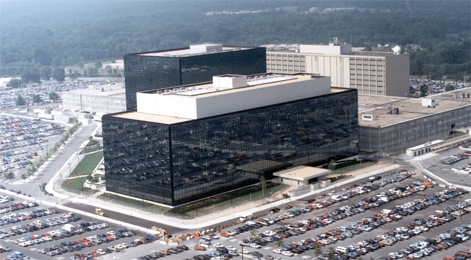
The
National
Security
Agency
(NSA) is
an
intelligence
agency
within
the U.S.
Department
of
Defense,
operating
under
the
authority
of the
Director
of
National
Intelligence.
The NSA
is
responsible
for the
global
monitoring,
collection,
and
analysis
of
information
and data
for
intelligence
and
counterintelligence
purposes,
specializing
in
signals
intelligence
(SIGINT).
The
agency
is also
responsible
for
protecting
U.S.
communications
networks
and
information
systems.
(Photo
by
DVIDS) |
|
|
Apple
System
Meltdown
Deepens
Concerns
as NSA
Network
Failure
Adds to
Wave of
U.S.
Technology
Outages
CUPERTINO,
CA —
Apple
spent
much of
Tuesday
scrambling
to
restore
key
parts of
its
digital
ecosystem
after a
systemwide
outage
knocked
out
services
relied
upon by
millions
of
customers,
disrupting
everything
from
iCloud
sign-ins
and App
Store
downloads
to Apple
Pay
transactions
and
device
activations.
Reports
of the
disruption
began
surfacing
shortly
before
midday,
quickly
spreading
across
the
United
States
and
other
regions
as users
reported
being
unable
to
access
multiple
Apple
services.
The
outage
affected
a broad
swath of
Apple's
infrastructure,
including
iCloud,
Apple
Pay,
Apple
Music,
the App
Store,
Sign in
with
Apple,
and
business
management
services.
Customers
described
being
unexpectedly
logged
out of
accounts,
encountering
verification
failures,
and
finding
essential
services
inaccessible
at
critical
moments.
Problems
extended
beyond
consumers.
Reports
emerged
from
Apple
retail
stores
where
transactions
could
not be
processed
because
internal
systems
were
unavailable.
Some
customers
were
unable
to
complete
purchases
while
employees
faced
disruptions
to store
operations
and
support
services.
As
speculation
mounted
online
about
the
possibility
of a
cyberattack,
Apple
moved
quickly
to
address
those
concerns.
The
company
said the
outage
was
caused
by an
internal
update,
not a
security
breach
or
external
attack.
Company
representatives
stated
that
many
systems
had been
restored
by
Tuesday
afternoon
while
engineers
continued
working
to bring
remaining
services
back
online.
The
Apple
disruption
unfolded
against
the
backdrop
of an
even
more
troubling
development
in
Washington.
The
National
Security
Agency
confirmed
that its
highly
classified
internal
communications
network,
known as
NSANet,
suffered
a major
outage
that
disrupted
internal
operations
and
forced
officials
to
implement
staggered
arrival
times
for
personnel
at the
agency's
Fort
Meade
headquarters.
NSANet
serves
as a
critical
platform
for the
transmission
of
classified
information
inside
one of
America's
most
important
intelligence
agencies.
NSA
officials
said the
network
experienced
a
temporary
degradation
during
scheduled
maintenance,
affecting
some
internal
systems
while
mission-critical
operations
and
national
security
functions
remained
operational.
Officials
also
stated
there
was no
evidence
of a
cyberattack.
The
near-simultaneous
disruptions
at Apple
and the
NSA
added to
mounting
public
anxiety
following
a series
of major
technology
failures
across
the
country.
In
recent
days,
the
Federal
Aviation
Administration
issued a
nationwide
ground
stop
following
communications
problems,
Microsoft
experienced
a
widespread
email
and
cloud
outage,
major
banks
reported
technical
disruptions
affecting
customer
access,
and
United
Airlines
faced
internal
system
failures
that
delayed
operations.
Federal
officials
and
private-sector
executives
have
repeatedly
emphasized
that
investigators
have
found no
evidence
linking
the
incidents
to a
coordinated
cyber
campaign.
Instead,
many
experts
point to
the
increasing
complexity
of
modern
digital
infrastructure,
where
software
upgrades,
network
maintenance,
and
system
patches
can
create
unintended
consequences
across
interconnected
platforms.
The
outages
have
renewed
scrutiny
of aging
technology
systems
and the
challenges
organizations
face
when
modernizing
critical
networks.
As
government
agencies
and
corporations
race to
upgrade
infrastructure,
experts
warn
that
even
routine
maintenance
can
trigger
widespread
disruptions
when
millions
of users
and
thousands
of
systems
depend
on the
same
digital
backbone.
By late
Tuesday
and
early
Wednesday,
Apple
reported
that
most
services
had
returned
to
normal
operation
while
NSA
officials
indicated
that
national
security
capabilities
remained
intact
despite
ongoing
efforts
to
stabilize
internal
communications
systems.
Taken
together,
the
incidents
represent
one of
the most
remarkable
stretches
of
technology
failures
in
recent
memory,
affecting
sectors
ranging
from
aviation
and
banking
to
consumer
technology
and
national
security.
While
officials
insist
the
outages
are
unrelated,
the
succession
of
breakdowns
has
raised
difficult
questions
about
the
resilience
of the
digital
systems
that
power
much of
modern
American
life.
For
consumers
unable
to
process
payments,
travelers
stranded
by
flight
disruptions,
and
intelligence
personnel
coping
with
interrupted
communications,
the week
served
as a
stark
reminder
that
even the
world's
most
sophisticated
networks
remain
vulnerable
to
failure
from
within.
|
|
|
|
|
|
|
|
|




 I
HI TECH NEWS
I
SPORTS
I