|
|
|
|
|
|
 |
|
|
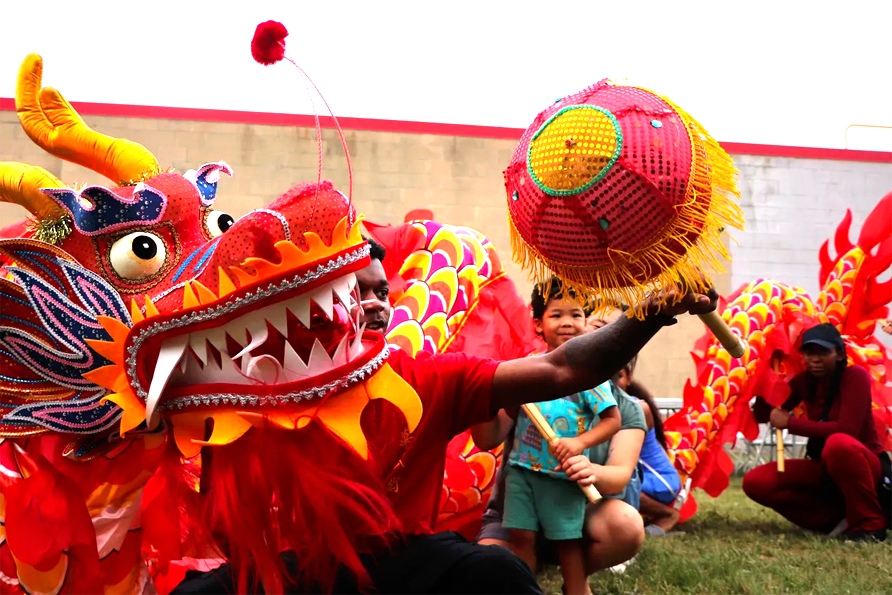
Throughout
the day,
visitors
will
find a
mix of
family
activities,
art
installations,
and a
curated
historical
exhibit
documenting
the
rise,
displacement,
and
resilience
of
Detroit’s
Chinatown. |
|
|
Detroit
Chinatown
Festival:
A
Growing
Cultural
Event in
the
Heart of
Midtown
Simon
Weinstein
-
Culture/Entertainment
Tell Us
Detroit
News
Bureau
DETROIT
-
Detroit’s
Chinatown
district
is
gearing
up for a
major
summer
celebration
as
organizers
prepare
to host
the
Second
Annual
Detroit
Chinatown
Festival
on
Saturday,
July 25,
2026.
The
all‑day
event
will
take
over the
Cass and
Peterboro
corridor
in
Midtown,
bringing
food
vendors,
cultural
performances,
film
screenings,
and
historical
exhibits
to a
neighborhood
working
to
reclaim
its
identity.
The
Detroit
Chinatown
Vision
Committee,
which
leads
ongoing
revitalization
efforts
in the
area,
says
this
year’s
festival
expands
on last
summer’s
inaugural
event
that
drew
more
than
4,000
people.
Community
leaders
describe
the
celebration
as both
a
tribute
to
Detroit’s
Asian
American
heritage
and a
public
invitation
to help
shape
the
future
of the
district.
Throughout
the day,
visitors
will
find a
mix of
family
activities,
art
installations,
and a
curated
historical
exhibit
documenting
the
rise,
displacement,
and
resilience
of
Detroit’s
Chinatown.
The
exhibit
includes
photographs
and
artifacts
connected
to the
former
Chinese
Merchants
Association
Building,
once
home to
the
Association
of
Chinese
Americans
and the
birthplace
of
American
Citizens
for
Justice.
Its
demolition
remains
a
defining
moment
for many
in the
community,
and
organizers
say the
festival
serves
as a
reminder
of what
was lost
— and
what can
still be
rebuilt.
Food
remains
a major
draw,
with
dozens
of
vendors
expected
to line
the
streets
offering
a wide
range of
Asian
cuisine
and
locally
made
goods.
Organizers
encourage
attendees
to “come
hungry”
and
support
small
businesses
that
have
become
central
to the
neighborhood’s
revival.
The
festival
runs
from
noon to
8 p.m.
and is
free to
the
public.
For
Detroiters,
it marks
a
growing
cultural
moment —
a chance
to
celebrate
heritage,
support
local
vendors,
and
witness
the
continued
re‑emergence
of a
historic
community.
|
|
|
|
|
|
|
|
|




 I
HI TECH NEWS
I
SPORTS
I
I
HI TECH NEWS
I
SPORTS
I