|
|
|
|
|
|
|
|
|
|
|
|
Teaching
at Its
Best:
Cass
Tech and
the
Calling
of
Educators
By
Albert
Taylor
Nelson,
Jr. PLC
DETROIT
- This
chapter
is
written
to honor
the
profound
impact
that
teaching
and Cass
Technical
High
School
had on
my life.
It seeks
to
recognize
the
weight,
complexity,
and joy
of the
teaching
profession;
to
acknowledge
the
extraordinary
colleagues
who
shaped
my
career;
and to
celebrate
one of
our
brightest
exemplars—Dr.
Cledie
Taylor.
These
reflections
are not
merely
about
memories.
They are
about
the
essence
of a
profession
that
touches
students’
souls,
unlocks
their
potential,
and
supports
them
throughout
the long
arc of
their
development.
One day
of
instruction
does not
change a
life.
Our goal
is not
simply
to
prepare
students
for
examinations,
but to
help
them win
at the
game of
life.
Teaching
is one
of the
few
professions
in which
you
begin
with
immense
stature.
From the
very
first
day, you
are
“Mr.,”
“Ms.,”
or
“Mrs.”—titles
that
confer
immediate
dignity
and
responsibility.
Your
name is
known
before
you
enter
the
room.
You are
not only
seen,
but
expected.
What you
do with
that
initial
respect
is
entirely
up to
you. It
can be
nurtured
or
squandered.
The
opportunity
to shape
someone’s
life—intellectually,
emotionally,
and
ethically—is
real and
powerful.
In that
sense,
teachers
occupy a
sacred
space
alongside
parents.
We are
not
simply
conveyors
of
information;
we are
stewards
of
development.
Teaching
made
everything
else
seem
manageable.
For
years, I
performed
a live
fifty-minute
show—five
times a
day,
five
days a
week.
And the
audience?
Teenagers
are
discerning,
skeptical,
and
unfiltered.
Failure
was not
an
option.
If you
faltered,
it made
for a
long
year.
But if
you
succeeded—if
you
reached
them,
engaged
them,
inspired
them—it
gave you
a
confidence
that
carried
far
beyond
the
classroom.
That
confidence
sustained
me
through
the most
demanding
seasons
of my
life.
For the
final
year and
a half
of law
school,
including
summer
semesters,
I
attended
full-time.
Teaching
had
prepared
me to
think
clearly,
adapt
quickly,
and
endure
pressure.
It
trained
me to
stretch—and
to
succeed.
Teaching
taught
me
humility.
I was
privileged
to work
with an
extraordinary
range of
students,
many of
whom
possessed
abilities
that
exceeded
my own
in areas
I had
not
mastered.
Their
insights
challenged
me to
listen
more
closely,
think
more
critically,
and
teach
more
creatively.
I
learned
never to
prejudge
a
student
and
never to
judge a
book by
its
cover.
Appearances,
backgrounds,
and
grades
reveal
only
part of
the
story.
What
matters
most is
effort,
curiosity,
and the
brilliance
often
waiting
to be
uncovered.
Teaching
also
awakened
in me a
lifelong
commitment
to
learning.
You
never
know
enough—not
really.
To be
effective,
you must
remain
curious
and
prepared,
not out
of ego,
but out
of duty.
Students
deserve
your
best
thinking
and your
full
attention.
They
keep you
honest.
They
compel
you to
grow.
Teaching
is also
about
acting
in
students’
best
interests,
even
when
that
responsibility
extends
beyond
formal
instruction.
When a
teacher’s
actions
are
motivated
by care
rather
than
ego,
they are
not only
appropriate—they
are
essential.
Educators
often
see what
others
miss,
not
because
they are
flawless,
but
because
they are
present.
Presence
matters.
Like
parents,
teachers
are
advocates.
In many
cases,
they are
the only
advocates
students
have
during
the
school
day.
Before I
became a
lawyer,
teaching
taught
me to
advocate—and
those
who take
the
profession
seriously
have no
choice
but to
do the
same.
Advocacy
is part
of the
calling.
Although
I have
been a
licensed
attorney
since
1980 and
have
held
numerous
professional
roles,
none has
carried
the same
combination
of
respect
and
personal
fulfillment
as
teaching.
I earned
both a
master’s
degree
and a
law
degree
while
teaching.
Those
academic
pursuits
were
rigorous,
but they
never
matched
the
daily
challenge
of
meeting
students’
needs
while
honoring
the
expectations
of
colleagues
and
administrators.
Teaching
demanded
clarity,
preparation,
empathy,
and
resilience.
It
placed
everything
else
into
perspective.
You do
not
fully
appreciate
the
reach of
teaching
until
you
leave
the
classroom.
Only
then do
you see
how
deeply
it
shapes
your
identity
and
informs
every
other
endeavor.
Once a
teacher,
always a
teacher.
In
courtrooms,
boardrooms,
and
community
halls, I
have
approached
every
role
through
the lens
of
education—sharing
knowledge
in ways
that can
be
understood,
applied,
and
built
upon.
Anything
less is
merely
performance.
Teaching
taught
me to
meet
people
where
they
are.
Everyone
knows
something
I do
not.
Leadership—whether
in a
classroom,
workplace,
or
community—means
recognizing
that
truth
and
placing
people
where
they are
most
likely
to
succeed.
The best
educators,
like the
best
coaches,
draw out
potential
that
others
overlook.
Many of
my
former
students
have
gone on
to
become
CEOs,
fashion
designers,
physicians,
lawyers,
police
executives,
and
professionals
in
countless
fields.
I take
no
credit
for
their
success.
But I
take
comfort
in the
belief
that
while I
cannot
make
someone
a
Chevrolet
or a
Rolls-Royce,
I can
drive
them
both. I
can help
them
believe
in
themselves.
Sometimes,
that
belief
is the
key that
unlocks
everything
else.
To this
day, my
greatest
professional
fulfillment
comes
from
reconnecting
with
former
students
and
fellow
teachers—not
lawyers,
not
former
clients.
That
speaks
volumes.
Teaching
is
demanding,
sometimes
exhausting,
and
occasionally
misunderstood.
Because
of its
intensity,
it can
be easy
to lose
sight of
its
impact.
But
every
committed
teacher
matters.
It does
not
matter
whether
one
taught
physical
education
or fine
arts,
mathematics
or
social
studies,
honors
or
special
education.
Our
responsibility
was—and
remains—to
meet
students
where
they
are.
Like our
students,
every
dedicated
teacher
counts.
When I
began
teaching
at Cass
Technical
High
School
in the
1970s, I
entered
a
community
that
held
high
expectations
not only
for
students,
but for
one
another.
The
faculty
was
among
the most
talented,
principled,
and
passionate
group of
professionals
I have
ever
known.
Their
example
sharpened
my
skills,
affirmed
my
values,
and
demonstrated
that
teaching,
when
practiced
with
conviction,
can
transform
communities.
Cass
gave me
more
than a
professional
foundation.
It gave
me
lifelong
friendships,
enduring
respect,
and a
sense of
purpose.
The
culture
of
excellence
within
those
halls
compelled
me to
strive—not
for
accolades,
but
because
my
colleagues
were
exceptional.
Their
commitment
inspired
me then,
and it
continues
to
inspire
me now.
I never
formally
retired
from
Cass, so
I never
had the
opportunity
to say
goodbye
or
express
what it
meant to
be part
of that
team.
That is
why the
celebration
in
September
2024,
honoring
Dr.
Cledie
Taylor
and my
colleagues,
held
such
meaning.
It
offered
a
long-overdue
opportunity—more
than
forty
years
later—to
thank
those
who
supported
me and
left an
indelible
mark on
my life.
As I
reflect
on my
years at
Cass, I
am
mindful
that
excellence
in
education
does not
happen
by
accident.
It
requires
preparation,
curiosity,
discipline,
and a
deep
respect
for
students
as whole
people.
In a
profession
often
constrained
by
policy,
resources,
and
uneven
preparation,
the
highest
calling
of
teaching
is to
rise
above
limitation
without
denying
reality.
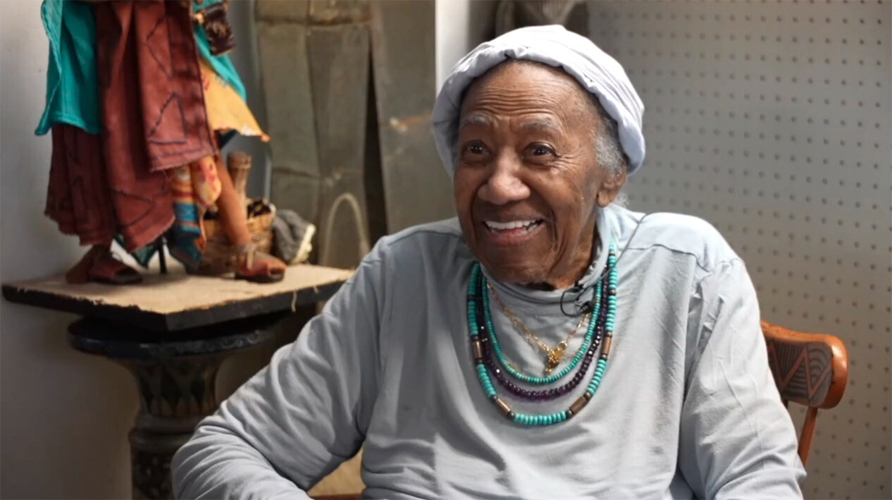
Dr.
Cledie
Taylor
represented
that
calling
at its
fullest,
demonstrating
what the
profession
can be
when
knowledge,
purpose,
and
humanity
align.
Dr.
Cledie
Taylor
Dr.
Cledie
Taylor’s
legacy
at Cass
Technical
High
School
is one
of
brilliance,
generosity,
and
enduring
impact.
As a
distinguished
educator,
arts
advocate,
and
cultural
ambassador,
she
brought
extraordinary
vibrancy
to Cass
Tech’s
Fine
Arts
Department.
She was
more
than a
teacher—she
was a
mentor,
a
curator
of
beauty,
and a
guardian
of
creative
excellence.
She did
not
merely
excel
within a
great
institution;
she
elevated
it,
representing
the best
of the
profession
amid
greatness.
Dr.
Taylor
holds a
Doctorate
in
Education
and
advanced
degrees
in Art
Education
from
Wayne
State
University.
Her
career
was
marked
by a
steadfast
commitment
to
empowering
young
people
through
creative
expression
and
cultural
awareness.
Before
arriving
at Cass
Tech,
she
taught
in
various
Detroit
public
schools,
consistently
fostering
in her
students
a
reverence
for the
arts as
a lens
for
understanding
the
world.
Her
pedagogy
was not
simply
about
technique;
it was
about
identity,
vision,
and
voice.
At Cass,
Dr.
Taylor
served
as chair
of the
Fine
Arts
Department,
where
she
championed
innovative
curricula
and
cultivated
an
environment
in which
students
thrived
both
artistically
and
academically.
She was
instrumental
in
launching
student
exhibitions,
organizing
community
arts
programs,
and
leading
international
cultural
exchanges.
Under
her
leadership,
Cass
Tech
became a
model
for arts
education
in
Detroit,
reflecting
rigor,
imagination,
and
purpose.
Colleagues
remember
her for
her
warmth,
quiet
authority,
and
boundless
generosity.
I once
referred
a young
exchange
student
to her
for
guidance;
years
later, I
learned
that Dr.
Taylor
had not
only
mentored
the
student
but had
taken
her into
her
home,
treating
her as
one of
her own.
That act
of
kindness
was not
extraordinary
for
her—it
was
characteristic.
It
reflected
a way of
being
that
extended
far
beyond
professional
obligation.
After
retiring
from
Cass,
Dr.
Taylor
continued
her work
on
behalf
of
Detroit’s
youth as
Assistant
Director
of the
Detroit
Children’s
Museum
and as
founder
and
director
of the
Arts
Extended
Gallery.
This
nonprofit
space
showcases
emerging
and
established
artists,
preserves
African
American
art, and
promotes
cross-cultural
dialogue.
The
gallery—home
to her
extensive
personal
collection—has
become a
cultural
cornerstone,
offering
exhibitions,
workshops,
and
mentorship
to
aspiring
artists.
Dr.
Taylor
has
received
numerous
honors
for her
contributions
to arts
education
and
cultural
preservation,
including
recognition
from the
Detroit
Institute
of Arts,
the
Michigan
Art
Education
Association,
and
other
civic
and
cultural
institutions.
Her life
stands
as a
testament
to the
transformative
power of
education,
art, and
empathy.
She
embodies
the very
best of
the
teaching
profession—not
only in
what she
accomplished,
but in
how she
lived
her
calling.
She was
chosen
as the
inaugural
recipient
of the
Al and
Faye
Nelson
Lifetime
Achievement
Award—an
honor
meant
not only
to
celebrate
her
extraordinary
contributions,
but to
reaffirm
the
values
that
define
our
profession
and the
impact
educators
are
privileged
to make.
Finally,
I wish
to
remember
cherished
colleagues
whose
lives
and
contributions
left a
lasting
impression
on me.
This
list is
not
meant to
exclude
or
diminish
others,
but to
honor
those
with
whom I
felt a
special
connection.
I offer
these
names
with
gratitude
and
reverence:
Eloise
Anderson,
Jan
Allen,
Irving
Berg,
Richard
Brooks,
Frank
Cudillo,
Wendell
Davis,
Dorothy
Clore,
Ferd
Hall,
Willie
Jackson,
Dorothy
Johnson,
Beverly
Jocquet,
Anita
Martin,
George
Matsui,
Max
Green,
Sylvia
Nichols,
Gus
Olgetree,
Jonas
Segal,
Ozelle
Stephens,
Stephen
Surbrook,
Charles
Taylor,
Rita
Garas,
and
Roberta
Zimber.
Cass
Technical
High
School
has
always
been
more
than a
school.
It is a
community
of
educators,
visionaries,
and
lifelong
learners
committed
to the
promise
of
education.
My years
at
Cass—and
my
continued
connection
to its
people—remain
among
the
greatest
gifts of
my life.
To Dr.
Taylor,
to my
colleagues
past and
present,
and to
all who
carry
forward
the Cass
Tech
legacy:
thank
you for
your
example,
your
spirit,
and your
lasting
impact.
May we
continue
to
uplift
one
another
and
inspire
the
generations
that
follow.
|
|
|
|
|
|
|
|
|




 I
HI TECH NEWS
I
SPORTS
I
I
HI TECH NEWS
I
SPORTS
I