|
|
|
|
|
|
|
|
|
|
|
|
The
Families
of Four
U.S.
Servicemembers
Killed
in Iran
War
Mourn,
and
Question
the Cost
of
Conflict
Marc
Kennedy
-
National-Politics
Tell Us
USA News
Network
DOVER
AIRFORCE
BASE -
The
Pentagon’s
latest
casualty
update
reads
like so
many
before
it:
three
American
service
members
killed
in
Jordan,
another
killed
the next
day in
northern
Iraq,
all in
incidents
tied to
the
escalating
war with
Iran.
Somewhere
behind
each of
those
lines, a
phone
rang in
the
middle
of the
night, a
knock
sounded
at a
front
door,
and a
family’s
sense of
normal
time
stopped.
In
Jordan,
two of
the
troops
died
when
Iranian
missiles
and
drones
slammed
into
U.S.
positions,
including
Muwaffaq
Salti
Air
Base, on
a Friday
many of
their
loved
ones
back
home
treated
like any
other
summer
day.
Families
who had
just
gotten
used to
the
rhythm
of
deployment
updates
suddenly
found
their
calls
going
unanswered,
their
texts
left on
“delivered,”
until
casualty
officers
appeared
on the
doorstep
with the
news no
one ever
wants to
hear.
A third
American
at the
Jordanian
base was
first
listed
as
missing.
For
days,
relatives
lived in
that
impossible
space
between
hope and
dread,
refreshing
news
feeds,
clinging
to the
idea
that no
news
might
still be
good
news.
When the
military
later
confirmed
that
human
remains
recovered
at the
site
were
believed
to be
those of
the
missing
service
member,
it
closed
one
chapter
for that
family
and
opened
another,
more
permanent
one:
planning
a
funeral
instead
of a
welcome‑home
ceremony.
In
northern
Iraq,
the
death
came in
a way
that
feels
particularly
cruel to
military
families:
during a
“controlled
detonation”
of an
unexploded
Iranian
drone.
The
mission
was
supposed
to make
the area
safer,
to
remove a
threat
that had
already
been
knocked
out of
the sky.
Instead,
something
went
wrong.
One
service
member
never
came
back
from the
blast,
and
another
was left
with
injuries
that
will be
a
reminder
of that
moment
long
after
the
headlines
move on.
Officials
in
Washington
point to
numbers
when
they
talk
about
these
incidents:
four
Americans
killed
over the
weekend,
at least
17 U.S.
deaths
since
the war
began,
hundreds
more
wounded.
For
spouses,
parents
and
children,
the
numbers
translate
into
empty
chairs
at the
dinner
table,
half‑finished
text
threads
on a
phone
and
uniforms
hanging
in
closets
that no
one
wants to
touch
yet.
Some
families,
still
processing
their
loss,
have
chosen
privacy
and
silence.
Others
have
begun to
speak
out,
describing
sons and
daughters
who
loved
pickup
basketball,
dogs,
video
games,
late‑night
FaceTime
calls
with
younger
siblings.
They
talk
about
missed
birthdays
and
graduations,
about
kids who
will
grow up
remembering
a parent
through
photographs
and
folded
flags,
and
about
the
complicated
mix of
pride
and
anger
that
comes
with
losing
someone
in a war
whose
purpose
they’re
still
trying
to
understand.
As the
administration
orders
new
airstrikes
and
promises
that
these
deaths
“will
not be
in
vain,”
the
loved
ones of
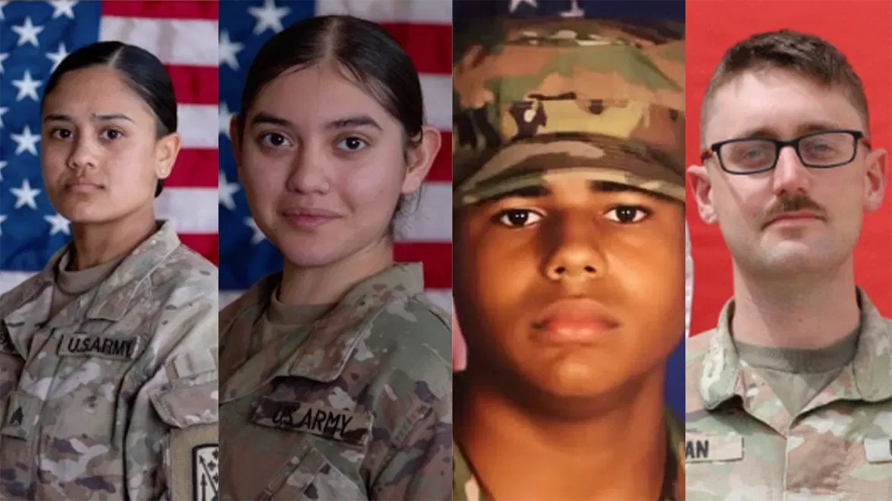
the four
most
recent
casualties
are left
with the
quieter
work:
picking
out
hymns
and
pallbearers,
navigating
military
paperwork,
and
trying
to
explain
to
children
why the
person
who
promised
to come
home as
soon as
they
could
won’t be
walking
through
the door
again.
|
|
|
|
|
|
|
|
|




 I
HI TECH NEWS
I
SPORTS
I
I
HI TECH NEWS
I
SPORTS
I