|
|
|
|
|
|
|
|
|
|
| |
Keeping
Hope
Alive:
Remembering
Rev.
Jesse L.
Jackson,
1941-2026
HB
Meeks-Publisher/Editor-in-Chief
Tell Us
Worldwide
Media
Company
CHICAGO,IL
- Rev.
Jesse
Jackson
Sr.,
forged
in the
crucible
of Jim
Crow
Greenville,
South
Carolina,
has died
at 84.
His
family
confirmed
he
slipped
away
peacefully
Tuesday
morning
at home,
encircled
by loved
ones who
urged
the
nation
to press
on with
the
justice,
equality,
and
human
rights
crusade
that
burned
through
his
every
breath.
From
a
teenage
mother's
son in
the
segregated
South,
Jackson
charged
into
history
as a
young
minister
with the
Southern
Christian
Leadership
Conference,
treading
the
bloodied
bridge
at Selma
in 1965.
He
stood
vigil in
Memphis
when
assassins
cut down
Dr.
Martin
Luther
King Jr.
in 1968.
He
transplanted
that
fire to
Chicago,
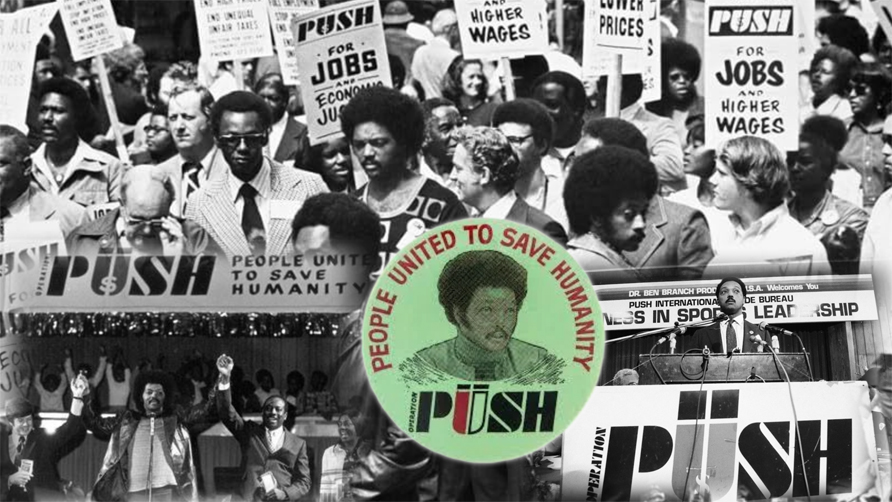
birthing
Operation
Breadbasket
and
later
Operation
PUSH in
1971—People
United
to Save
Humanity.
Jackson
wielded
pulpit
thunder
to
wrench
jobs,
contracts,
and
corporate
dollars
from
reluctant
boardrooms
into
long-starved
Black
communities.
He
imprinted
a
generation
with the
defiant
mantra,
"I am
somebody."
Jackson's
audacious
leap
into
presidential
politics
in 1984
and 1988
fused
the
streets
to the
suites,
assembling
a
Rainbow
Coalition
of
African
Americans,
Latinos,
union
hands,
farmers,
and
progressives.
That
force
rattled
the
Democratic
Party
and
thrust
voting
rights,
grinding
poverty,
South
African
apartheid,
and
police
brutality
onto
America's
center
stage.
Though
the
nomination
eluded
him, his
trailblazing
millions
of votes
shattered
barriers
for
candidates
of color
to come.
His
global
diplomacy
freed
hostages
in
Syria,
Iraq,
and the
Balkans,
challenged
Palestinian
dispossession,
and
crowned
him with
the
Presidential
Medal of
Freedom
in 2000.
Health
wars
marked
his
final
chapter—Parkinson's
disclosed
in 2017,
the
ravages
of
progressive
supranuclear
palsy,
COVID
battles,
and a
2023
handover
of
Rainbow
PUSH's
daily
helm
after
more
than
five
decades.
Yet
he
persisted
at
protests,
decrying
voting
suppression
and
police
violence
until
the end.
Tributes
cascade
from
leaders,
clergy,
and
organizers,
hailing
a
servant
leader
to the
world's
voiceless,
with
Chicago
memorials
to
anchor
his
indelible
mark.
He
stretched
the
civil
rights
fight
beyond
lunch
counters
to
economic
empowerment
and
human
rights
abroad,
his
"keep
hope
alive" a
perpetual
summons
amid
personal
tempests
and
institutional
pushback.
Supporters
and
skeptics
concur—the
work he
championed
remains
unfinished,
demanding
new
hands to
tear
down
rising
walls.
|
|
|
|
|
|
|
|
|




 I
HI TECH NEWS
I
SPORTS
I
I
HI TECH NEWS
I
SPORTS
I