|
|
|
|
|
|
|
|
|
|
|
|
U.S.
Missile
Stockpiles
Depleted
After
Months
of War
With
Iran,
Multiple
Sources
Confirm
Marc
Kennedy
-
National-Politics
Tell Us
USA News
Network
WASHINGTON
— The
United
States
has used
“virtually
all” of
two key
long‑range
precision
strike
missiles
during
its
five‑month
war with
Iran,
according
to
multiple
U.S.
officials
and
outside
analyses,
raising
fresh
concerns
about
military
readiness
and the
ability
to deter
other
major
adversaries.
Three
people
familiar
with
internal
Pentagon
stockpile
data
told
Reuters
the U.S.
Army has
burned
through
nearly
its
entire
pre‑war
inventory
of Army
Tactical
Missile
Systems
(ATACMS)
and the
newer
Precision
Strike
Missiles
(PrSM),
both
high‑accuracy,
long‑range
surface‑to‑surface
weapons
that
cost
more
than $1
million
apiece.
The
sources
declined
to
specify
exact
remaining
numbers
but said
U.S.
Central
Command
had
nearly
exhausted
the
land‑based
missiles
it held
before
the
conflict
began,
drawing
on
global
stocks
to keep
operations
going.
In
addition
to
ATACMS
and PrSM,
U.S.
air‑defense
and
naval
strike
inventories
have
dropped
sharply.
A Center
for
Strategic
and
International
Studies
(CSIS)
analysis
estimates
the U.S.
has
expended
about
65% of
its
Patriot
interceptor
missiles
since
the war
started
in
February,
leaving
fewer
than
1,000
interceptors
in
stock.
The same
CSIS
assessment
puts
THAAD
ballistic‑missile
interceptors
down by
roughly
38% from
pre‑war
levels,
with
fewer
than 278
remaining.
One U.S.
source
told
Reuters
the Navy
has used
slightly
less
than
half of
its
global
Tomahawk
cruise‑missile
supply
since
the
conflict
began.
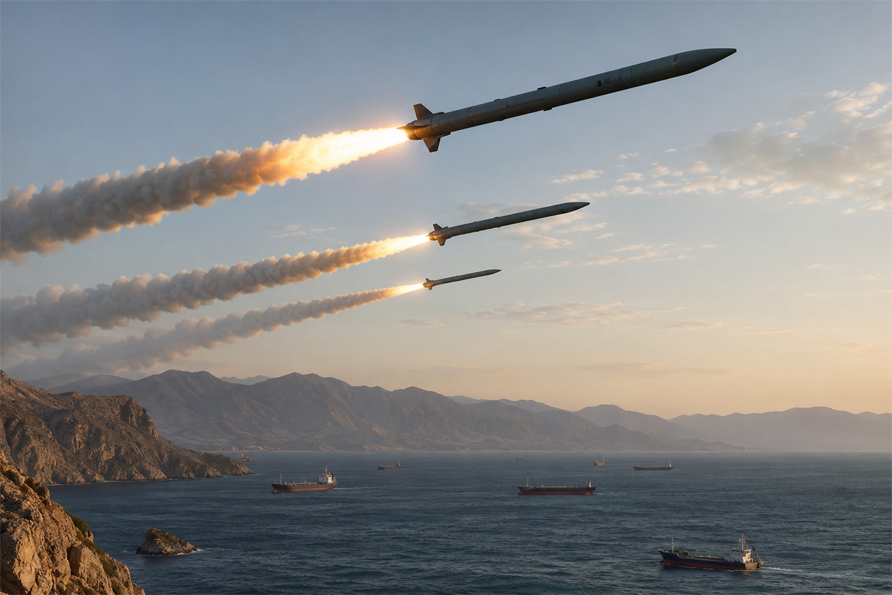
ATACMS
and PrSM
allow
U.S.
forces
to
strike
hardened
or
heavily
defended
targets
from
stand‑off
ranges,
reducing
the need
to send
manned
aircraft
into
contested
airspace—a
capability
seen as
critical
in a
potential
high‑end
fight
with
China or
other
advanced
adversaries.
With
those
inventories
largely
gone,
further
escalation
against
Iran
would
likely
require
more
risk‑intensive
piloted
bombing
missions,
while
overall
readiness
for
simultaneous
crises
elsewhere
could be
constrained.
When
asked
about
the
reported
drawdowns,
the
White
House
released
a
statement
from
President
Donald
Trump
saying
the U.S.
has “far
more
munitions
than
anyone
in the
world”
and “far
more
than we
need,”
adding
that
defense
companies
are
producing
record
quantities
of
weapons
and
expanding
facilities.
Pentagon
spokesperson
Sean
Parnell
similarly
said the
U.S.
military
“has
everything
it needs
to
execute
at the
time and
place of
the
President’s
choosing”
and
maintains
a “deep
arsenal”
to
protect
U.S.
interests.
Analysts
note
that
while
production
of some
munitions—including
artillery
shells
and
certain
missiles—has
reached
record
levels,
current
output
may
still
fall
short of
what’s
required
to
sustain
a
prolonged,
high‑intensity
war.
CSIS and
other
defense
analysts
warn
that
replenishing
key
inventories
to
pre‑war
levels
will
take
multiple
years at
current
production
rates. A
May CSIS
analysis
projected
that
heavily
used
systems—Patriot,
THAAD,
and
Tomahawk—could
require
three or
more
years to
return
to
pre‑conflict
stock
levels.
President
Trump
launched
the war
against
Iran
alongside
Israel
in
February,
initially
forecasting
a short
campaign.
As
fighting
stretched
into its
fifth
month,
internal
concern
grew
over the
strain
on U.S.
weapons
reserves,
with
some
reports
indicating
that
warnings
about
dwindling
stockpiles
contributed
to the
decision
last
week
against
launching
another
large‑scale
strike
inside
Iran.
The
conflict
has also
intensified
debate
in
Congress
over the
administration’s
authority
to
continue
major
military
operations
without
a formal
authorization
for the
use of
military
force.
|
|
|
|
|
|
|
|
|




 I
HI TECH NEWS
I
SPORTS
I
I
HI TECH NEWS
I
SPORTS
I