|
|
|
|
|
|
 |
|
|
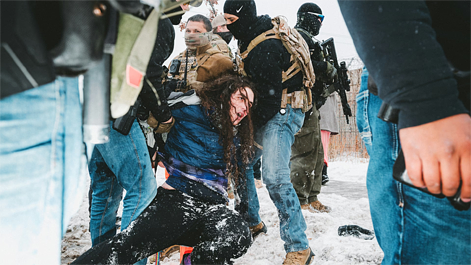
Armed
officers
detain a
woman in
the snow
during
an ICE
raid in
Minneapolis.
(Photo
by
Atlantic
Magazine) |
|
|
Tear
Gas,
Arrests
and
Outrage:
Minneapolis
Becomes
Epicenter
of
Anti-ICE
Revolt
Tanya
Somerfield
-
Immigration/Law
Tell Us
USA News
Network
MINNEAPOLIS,
MN -
Minneapolis
has
descended
into
widespread
unrest
due to
ongoing
protests
against
federal
immigration
enforcement
under
Operation
Metro
Surge.
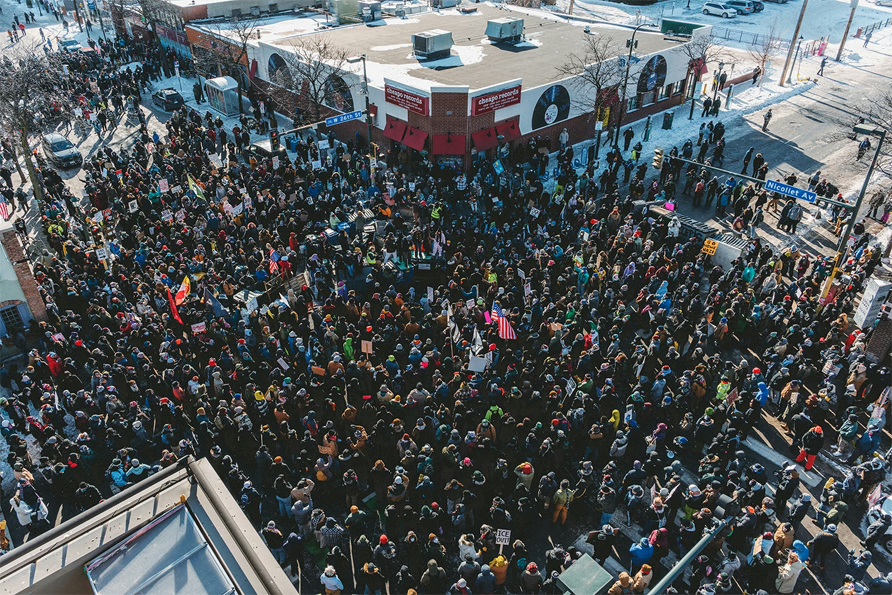
Thousands
rallied
on
January
30,
2026,
shutting
down
streets
and
businesses
in a
"national
shutdown"
solidarity
action.
Triggering
Incidents
The
chaos
stems
from two
fatal
shootings
by
federal
agents.
On
January
7, ICE
agent
Jonathan
Ross
killed
Renée
Good, a
U.S.
citizen
and
mother
of
three,
during a
vehicle
stop;
video
evidence
disputes
claims
she
"weaponized"
her car.
On
January
24,
Border
Patrol
agents
shot
Alex
Pretti,
a
37-year-old
VA
nurse,
10 times
while he
was
pinned
down and
unarmed,
as
confirmed
by
bystander
videos
and
witness
accounts,
sparking
immediate
outrage.
Escalating
Protests
A
January
23
general
strike
drew
50,000
participants
despite
subzero
temperatures,
marking
the
first in
the U.S.
in 80
years.
Protesters
have
surrounded
ICE
facilities,
vandalized
hotels
housing
agents,
and
clashed
with
police,
leading
to
dozens
of
arrests
including
journalists
like Don
Lemon.
Bruce
Springsteen
performed
a
protest
song at
First
Avenue
on
January
30,
amplifying
the
movement.
Federal
Response
Operation
Metro
Surge,
launched
December
2025,
deployed
3,000+
ICE and
CBP
agents
to
target
undocumented
immigrants
amid
Minnesota
fraud
scandals,
resulting
in
thousands
of
arrests.
Border
Czar Tom
Homan
announced
de-escalation
and a
drawdown
if
locals
cooperate,
while
the FBI
probes
Pretti's
death
and
memos
order
agents
to avoid
protesters.
President
Trump
called
Pretti
an
"agitator,"
amid
lawsuits
from
Minnesota
officials.
National
Impact
Protests
spread
to
cities
like
Chicago,
New
York,
and Los
Angeles,
with
school
walkouts
and
business
closures.
More
demonstrations
are
planned
for the
weekend,
as
tensions
persist
between
federal
crackdowns
and
local
resistance.
|
|
|
|
|
|
|
|
|




 I
HI TECH NEWS
I
SPORTS
I
I
HI TECH NEWS
I
SPORTS
I