|
|
|
|
|
|
|
|
|
|
| |
DHS Plan
to Equip
ICE
Officers
with
Electric
Shock
Gloves
Draws
Fierce
Scrutiny
Jordan
Jenkins,
Senior
Investigative
Reporter
Tell Us
USA News
Network
WASHINGTON
- U.S.
Immigration
and
Customs
Enforcement
is
facing
severe
backlash
from
lawmakers,
civil
rights
organizations,
and
legal
experts
following
revelations
that the
agency
plans to
spend up
to
twenty
million
dollars
to
outfit
officers
with
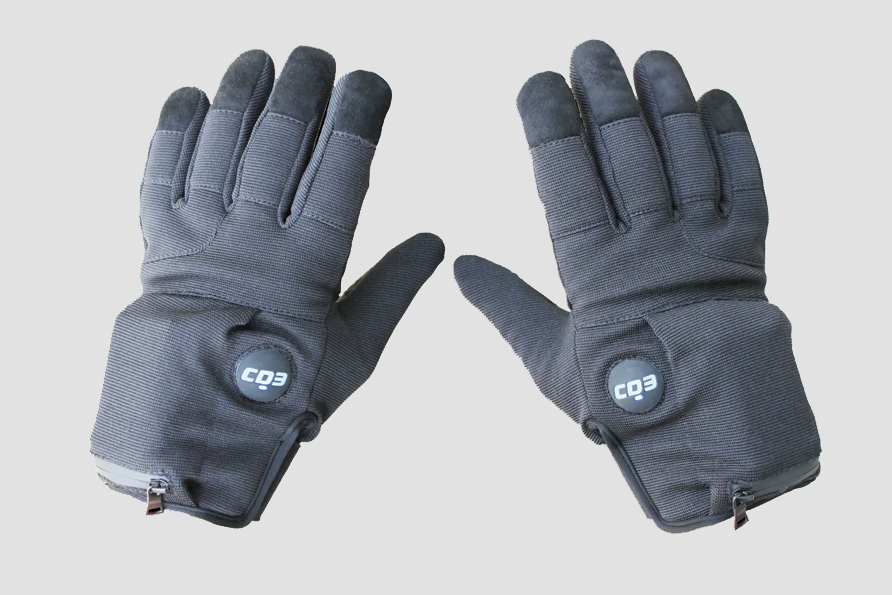
specialized
electric
shock
gloves.
The
contract
involves
procuring
thousands
of units
of the
Generated
Low
Output
Voltage
Emitter,
known as
the
G.L.O.V.E.,
manufactured
by
Kentucky-based
Compliant
Technologies.
The
device
functions
as
standard
tactical
patrol
gear
until an
agent
activates
an
electrical
pulse
via a
button.
Designed
to
deliver
an
electric
charge
directly
through
skin
contact,
the
device
is
marketed
as a
non-lethal
conductive
distraction
and
de-escalation
tool
intended
to gain
compliance
without
leaving
visible
burn or
contact
marks.
Unlike
traditional
Tasers
that
deploy
wired
probes,
the
gloves
require
direct
physical
contact
to
transmit
an
electrical
pulse to
a
subject's
skin.
Civil
rights
groups,
medical
advocates,
and
political
leaders
have
swiftly
condemned
the
procurement
plan.
Critics
argue
that
because
the
gloves
look
like
standard
apparel,
they
lower
the
threshold
for
applying
force
and
carry a
high
risk of
abuse.
New York
Attorney
General
Letitia
James
called
the plan
outrageous
and
warned
that
federal
officers
misusing
the
devices
within
her
state
could
face
civil
and
criminal
liability.
Federal
lawmakers
warned
the gear
gives
agents a
dangerous
tool for
disproportionate
force.
Manufacturer
manuals
explicitly
state
that the
gloves
should
not be
used on
vulnerable
populations,
including
the
elderly,
pregnant
women,
small
children,
or
individuals
with
severe
disabilities,
nor
should
they be
used for
punishment
or
simple
verbal
non-compliance.
Critics
point
out that
field
agents
regularly
encounter
these
demographics
during
enforcement
actions.
While
marketed
as
heart-safe,
dynamic
user
manuals
caution
that
conductive
distraction
devices
cause
physiological
spikes
in heart
rate,
respiration,
and
adrenaline
that can
elevate
the risk
of
sudden
health
events.
The
purchase
comes
amid
scrutiny
over
previous
uses of
the
product
in
detention
facilities.
A
pending
federal
lawsuit
stems
from the
September
2024
death of
forty-three-year-old
Johnathan
Mansfield
at a
Kentucky
detention
center.
Court
filings
and
internal
county
investigations
revealed
officers
shocked
Mansfield
over
twenty
times
using
the
gloves,
with
individual
shocks
lasting
up to
ninety-nine
seconds,
far
exceeding
the
manufacturer's
recommended
fifteen-second
cap,
alongside
multiple
Taser
applications
shortly
before
he
suffered
fatal
cardiac
arrest.
In
response
to
queries
regarding
the
multi-million-dollar
procurement,
the
Department
of
Homeland
Security
stated
that ICE
continuously
evaluates
field
equipment
to
ensure
agents
have
necessary
tools to
operate
safely,
adding
that all
device
selections
undergo
policy
and
legal
review.
Solicitations
for the
contract
could
open
shortly,
with
deployments
envisioned
through
early
2027.
|
|
|
|
|
|
|
|
|




 I
HI TECH NEWS
I
SPORTS
I
I
HI TECH NEWS
I
SPORTS
I