|
|
|
|
|
|
|
|
|
|
|
|
Epstein
Probe
Turns
Partisan
Circus
as
Clinton
Blasts
GOP
Fishing
Expedition
Jordan
Jenkins,
Senior
Investigative
Reporter
Tell Us
USA News
Network
CHAPPAQUA,
NY -
Former
Secretary
of State
Hillary
Clinton
walked
into her
Epstein
deposition
Thursday
knowing
two
things:
Republicans
were
never
going to
take her
word for
it, and
the
record
they are
chasing
still
doesn’t
exist.
Behind
closed
doors in
Chappaqua,
New
York,
the
veteran
Democrat
spent
more
than six
hours
telling
House
Oversight
Committee
investigators
that she
never
met
Jeffrey
Epstein,
never
trafficked
influence
on his
behalf,
and
never
had a
hint of
the sex
crimes
that now
define
his
legacy.
She said
it over
and
over,
according
to
people
familiar
with the
interview,
and she
did not
waver.
The
panel’s
Republicans,
led by
Chair
James
Comer,
arrived
armed
with the
so‑called
“Epstein
files” —
a sweep
of
unsealed
court
records
and raw
FBI
tip‑line
material
that mix
credible
leads
with
conspiracy‑friendly
noise.
They
pressed
Clinton
on all
of it:
references
to her
and her
husband
in
witness
statements,
donor
lists,
travel
chatter,
the
familiar
web of
names
that has
fueled
online
innuendo
for
years.
The
harder
they
pushed,
the more
she
insisted
there
was
nothing
there.
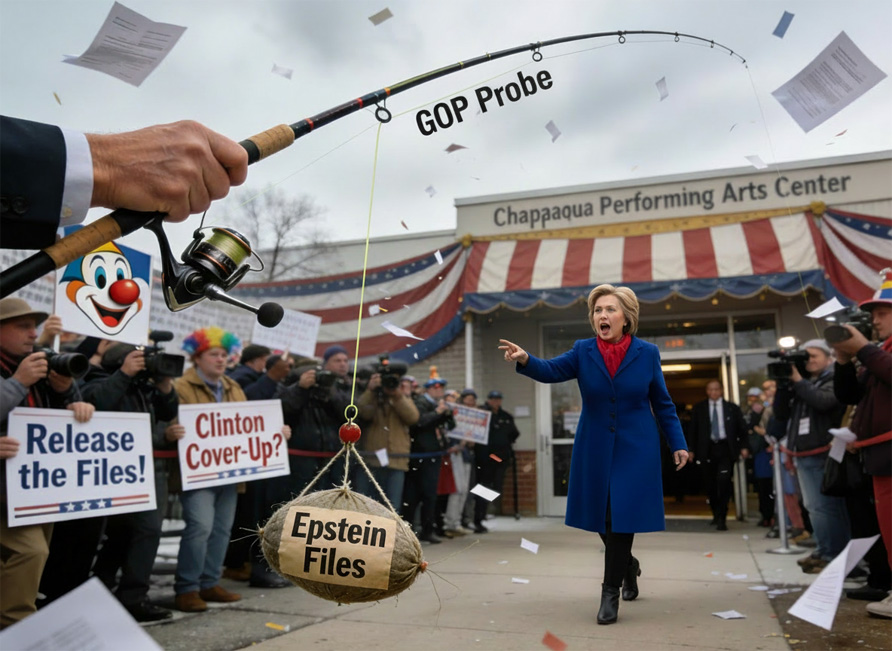
Clinton,
by these
accounts,
did not
hide her
contempt
for the
exercise.
She
branded
the
proceeding
political
theater,
bristled
at what
she
viewed
as
fishing
expeditions
into
long‑debunked
conspiracy
theories,
and
complained
that,
when
Republicans
ran out
of
focused
questions,
they
drifted
into the
realm of
internet
lore —
including
Pizzagate
and even
UFOs.
She had
asked
for an
open
hearing.
They
refused
and
opted
for a
closed,
transcribed
session,
a choice
that
guarantees
selective
leaks
and
distorted
narratives
once
both
sides
retreat
to their
corners.
Outside
the
room,
the
split
screen
was
already
in
place.
Comer
cast the
deposition
as a
necessary
step in
mapping
Epstein’s
power
network
— who
knew
what,
who
benefited,
and who,
if
anyone,
helped
him
evade
scrutiny.
Democrats
countered
that the
majority
is
laundering
old
online
grievances
through
subpoenas
and
cameras,
wrapping
discredited
claims
in the
patina
of
official
inquiry.
It is
not lost
on
anyone
in the
room
that
this is
an
election
year, or
that the
same
document
dumps
that
name the
Clintons
also
brush up
against
Donald
Trump
and
other
powerful
men.
The
files
themselves
remain
the
murkiest
player
in the
story.
They
contain
sworn
testimony
alongside
rumor,
victim
accounts
alongside
anonymous
tips,
hard
facts
elbow to
elbow
with
fabrication.
Even
federal
officials
have
quietly
warned
that
some
materials
may be
doctored
or
outright
false.
That’s
the
hazard
of
treating
a raw
tip
archive
like a
roadmap:
if you
want to
see a
pattern
badly
enough,
you
will.
What
Thursday
did
clarify
is
strategic
intent.
Republicans
are
telegraphing
that
they
intend
to keep
the
Clintons
lashed
to
Epstein’s
name as
long as
there is
paper
left to
wave in
front of
a
camera.
Clinton,
for her
part, is
betting
on
sunlight,
pushing
for the
full
transcript
and
video to
be
released
so the
public
can
watch
the
sausage
being
made
instead
of
relying
on
partisan
snippets.
Bill
Clinton
is up
next,
and his
testimony
will
give
investigators
another
crack at
the same
questions
from a
different
angle:
Did
Epstein
buy
proximity
to
power,
or did
he
simply
loiter
on its
fringes
while
others
looked
the
other
way? So
far,
every
official
document
unsealed
and
every
deposition
taken
has
drawn
the same
bottom
line:
innuendo
in
abundance,
proof
still
missing
in
action.
For a
case
that
began
with
victims
no one
wanted
to
listen
to, the
risk now
is a
different
kind of
distortion.
The more
Congress
chases
ghosts
in the
margins
of the
Epstein
archive,
the
easier
it
becomes
to
forget
the core
crimes —
the
trafficking
network,
the
enablers
who have
not yet
been
called,
and the
systems
that let
a
predator
operate
in plain
sight.
|
|
|
|
|
|
|
|
|




 I
HI TECH NEWS
I
SPORTS
I
I
HI TECH NEWS
I
SPORTS
I