|
|
|
|
|
|
 |
|
|
|
|
|
Michigan
Democratic
Unity
Event
Canceled
Following
Late-Stage
Ad
Dispute
Walter
Hargrove
-
Political
Analyst
Tell Us
Detroit
News
Bureau
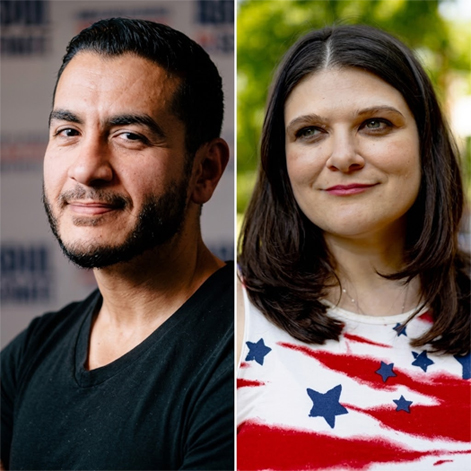
DETROIT
—
Escalating
tensions
within
the
Democratic
Party
came to
a head
ahead of
the
final
weekend
before
the 2026
midterm
elections,
as a
planned
unity
appearance
between
U.S.
Senate
nominee
Abdul
El-Sayed
and U.S.
Representative
Haley
Stevens
was
plunged
into
turmoil
following
a sharp
public
fallout
over
campaign
advertisements
and
foreign
policy
rhetoric.
The
scheduled
appearance—a
joint
event at
a
Detroit
church
alongside
South
Carolina
Congressman
James
Clyburn—was
intended
to
signal
Democratic
unity in
a
high-stakes,
toss-up
race
against
Republican
nominee
Mike
Rogers.
However,
public
disputes
between
the
former
primary
rivals
escalated
rapidly,
exposing
persistent
party
fractures
just
days
before
voters
head to
the
polls.
Roots of
the
Conflict
The
friction
stems
from the
bitter
August
Democratic
primary,
in which
El-Sayed
narrowly
defeated
Stevens
following
millions
of
dollars
in
outside
spending.
While
Stevens
initially
pledged
to
support
El-Sayed
in the
general
election,
disagreements
over
messaging
surrounding
the war
in Gaza
and
foreign
policy
have
fractured
the
coalition.
The
immediate
catalyst
for the
late-stage
dispute
involves
two
controversial
advertisements.
An ad
produced
by the
progressive
independent
group
Rebellion
PAC
featured
a
consumer
setting
aside
groceries
to
criticize
U.S.
military
aid to
Israel.
Stevens
denounced
the ad
as
antisemitic
and
publicly
demanded
that
El-Sayed
disavow
its
message.
While
El-Sayed’s
campaign
explicitly
clarified
that it
was not
affiliated
with
Rebellion
PAC,
Stevens
pressed
him to
go
further
and
directly
condemn
the
content.
Stevens
also
called
on
El-Sayed
to pull
down a
campaign
video
featuring
clips of
former
Fox News
host
Tucker
Carlson
praising
El-Sayed,
pointing
to
Carlson's
past
controversial
statements.
The
dispute
broadened
into a
family
split
when
Stevens'
fiancé,
attorney
Jason
Turkish,
publicly
announced
he would
vote for
Republican
Mike
Rogers,
citing
concerns
over El-Sayed's
rhetoric
regarding
Israel
and the
Jewish
community.
In
response,
Stevens
told
media
outlets
that
while
her
household
was
divided,
she
maintained
her
intention
to
support
the
Democratic
ticket
while
continuing
to call
out
rhetoric
she
found
objectionable.
Impact
on the
Race
The open
conflict
between
progressive
and
moderate
wings
comes at
a
critical
moment
for
Democrats
fighting
to
retain
control
of the
U.S.
Senate.
Recent
polling
places
El-Sayed
and
Rogers
within
the
margin
of error
in
Michigan,
making
high
voter
turnout
in key
Democratic
strongholds
like
Wayne
County
vital.
Both
campaigns
have
shifted
focus to
final
voter
mobilization
efforts
across
the
state as
election
day
approaches.
This
Tell Us
USA News
Network
report
is
produced
in part
by Ai
and can
make
mistakes.
Please
contact
and let
us know
of any
errors
you may
find.
info@tellususa.com
|
|
|
|
|
|
|
|
|




 I
HI TECH NEWS
I
SPORTS
I