|
|
|
|
|
|
|
|
|
|
|
|
Michigan
Educators
Meet for
MEA
Winter
Conference
and
Discussions
with
Gubernatorial
Candidates
Wendell
Bryant -
Local/State
Tell Us
USA News
Network
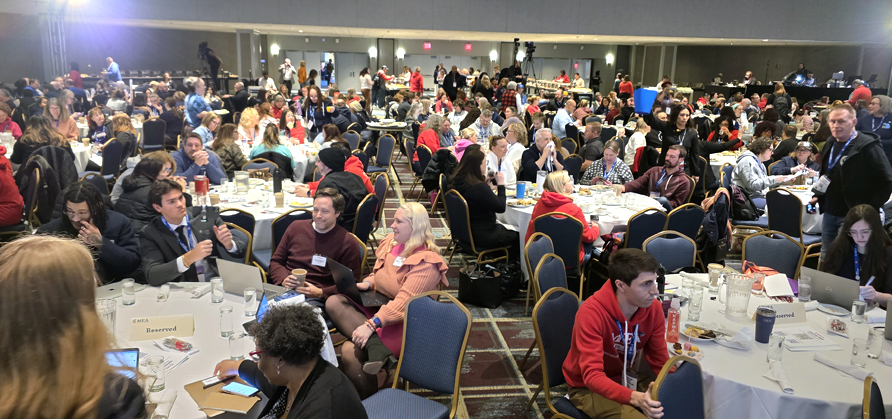
DETROIT
-
Hundreds
of
educators,
support
staff,
and
aspiring
teachers
from
across
the
state
gathered
at the
Detroit
Marriott
at the
Renaissance
Center
Friday,
February
6, 2026,
for the
final
day of
the
Michigan
Education
Association
(MEA)
Winter
Conference.
While
the
conference
offered
its
traditional
suite of
professional
development
sessions
ranging
from AI
integration
in the
classroom
to
trauma-informed
teaching,
the
candidate
forum
remained
the
focal
point
for many
attendees
looking
toward
the
upcoming
election
cycle.
With
several
key
state
legislative
and
regional
positions
on the
ballot
this
year,
the
conference
served
as a
vital
stump
for
candidates
seeking
the
endorsement
of
Michigan’s
largest
labor
union.
The four
candidates
who
participated
were
Democrat
Jocelyn
Benson,
Michigan's
secretary
of
state;
Republican
Mike
Cox,
former
state
attorney
general;
Independent
Mike
Duggan,
former
Detroit
mayor;
and
Democrat
Chris
Swanson,
Genesee
County
sheriff.
Common
themes
emerged
across
the
speeches,
specifically
regarding
teacher
retention,
school
safety,
and the
defense
of
public
education
funding.
Candidates
focused
heavily
on the
educator
shortage,
with
several
legislative
hopefuls
pledging
to
introduce
Career
Longevity
Credits
to
provide
tax
incentives
or
direct
stipends
to
teachers
who
remain
in the
classroom
beyond
the five
and
ten-year
marks.
Candidate
Genesee
County
Sheriff
Chris
Swanson
remarked
that the
state
cannot
keep
pouring
water
into a
leaky
bucket,
noting
that
while
professional
development
is
valuable,
professional
respect
in the
form of
a living
wage and
sustainable
retirement
is what
keeps
the
lights
on in
Michigan
schools.
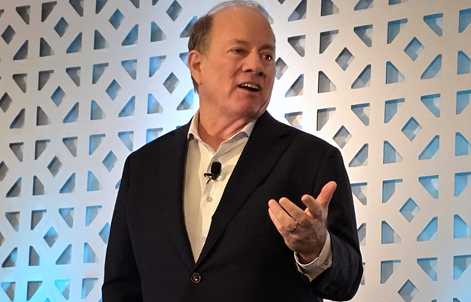
Photo by
HB
Meeks/Tell
Us USA
News
Network
Mike
Duggan,
former
Detroit
mayor
said to
our Tell
Us
Detroit
reporter,
"It was
a chance
to talk
directly
to
educators.
You go
up to
Northern
Michigan,
the
number
one
issue on
their
minds
(voters),
is their
children's
education,..
it is
every
place."
"When
you have
60% of
the
third
graders
in the
state of
Michigan
can't
read,
this
isn't
urban,
this is
statewide."
And the
other
thing
you get
hit
statewide
is,
almost
half the
school
districts
in the
state
have no
CTE
program
(Career
and
Technical
Education).
And so,
you
know,
you look
at the
skilled
trades
jobs,
the auto
mechanic
jobs,
we're
only
filling
three
out of
five as
the
retirees
retire.
Uh, and
to put
money in
and make
sure
there's
quality
CTE
everywhere,..
huge
issue.
It's an
issue in
Detroit,
but it's
a huge
issue
around
the
state.
You'd be
surprised
how
unifying
it is.”
Duggan
went on
to say
to our
Tell Us
Detroit
reporter,
"I think
every
place I
go in
this
state,
people
are sick
of
politics
as
usual,
and it
just
doesn't
matter
where it
is. I go
to the
farms
and they
(voters)
feel the
Republicans
and
Democrats
in
Lansing
are so
busy
fighting
they
aren't
dealing
with
their
issues."
"Every
month
that
goes by
the
momentum,..
you can
feel it.
First
like,
“what is
this
independent
thing?”
Now,
people
get it,
the only
way
we're
going to
get
permanent
change
is if we
aren't
fighting
with
each
other
and
flipping
every
two or
four
years."
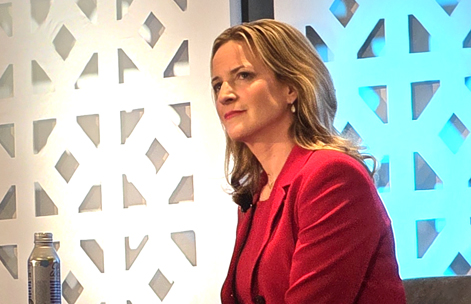
Photo by
HB
Meeks/Tell
Us USA
News
Network
Michigan
Secretary
of State
Jocelyn
Benson
said in
comments
to our
Tell Us
Detroit
reporter,
"People
are
struggling.
They're
struggling
to pay
for
child
care,
struggling
to find
health
care,
accessible
and
affordable,
struggling
to buy a
home in
the
communities
they
want to
live in.
Um, but
as
Secretary
of
State, I
know how
to bring
to fix a
broken
system
and
really
ensure
our
state
government
is
showing
up when
you need
it and
then
getting
out of
the way.
And at a
time
when it
kind of
feels
like
government's
showing
up
everywhere
we don't
want it,
and
nowhere
when we
actually
need it,
I'm
going to
be a
governor
who
ensures
we are
driving
down the
cost of
living,
increasing
access
to
well-paying
jobs,
and
protecting
our
rights,
our
freedoms,
and the
safety
of our
communities
against
anyone
who
would
try to
take
that
away.
And I'll
work
with
anyone
to get
that
done,
but I'll
also
stand up
to
anyone
who gets
in the
way."
In a
year
where
national
rhetoric
has
leaned
heavily
toward
school
choice,
candidates
at the
MEA
Winter
Conference
stood
firm on
a
platform
of
keeping
public
funds
for
public
schools.
They
argued
that
diverting
funds to
private
institutions
weakens
the
infrastructure
of rural
and
urban
districts
alike,
and
multiple
candidates
vowed to
protect
the
School
Aid Fund
from
being
subdivided
for
non-public
use.
The 2026
conference
also
leaned
into the
practicalities
of a
post-2025
educational
environment.
Workshops
explored
how to
use
generative
AI as a
tool for
lesson
planning
rather
than a
replacement
for
student
critical
thinking,
while
other
sessions
focused
on
social-emotional
learning
and the
Protect
Students
from
Trauma
initiative.
|
|
|
|
|
|
|
|
|




 I
HI TECH NEWS
I
SPORTS
I
I
HI TECH NEWS
I
SPORTS
I