|
|
|
|
|
|
|
|
|
|
|
|
US-Iran
Confrontation
Hardens
as Trump
Ratchets
Up
Pressure
and
Tehran
Tests
Diplomacy
Trump is
signaling
that
Washington
will not
ease up
without
a deal
on his
terms,
while
Iran
says it
is still
weighing
a U.S.
response
to its
latest
peace
proposal.
Patricia
Romero -
International
-
Politics
Tell Us
USA News
Network
WASHINGTON
- The
U.S.-Iran
confrontation
is once
again
approaching
a
familiar
inflection
point:
public
threats,
cautious
diplomatic
feelers
and a
widening
gap
between
what
each
side
says it
wants
and what
each is
prepared
to
concede.
President
Donald
Trump
has
sharpened
his
rhetoric
in
recent
days,
casting
Iran as
a
problem
that
must be
forced
to the
table
rather
than
persuaded
there.
He has
said he
is not
under
pressure
to reach
an
agreement
and has
warned
Tehran
of
serious
consequences
if it
refuses
to deal
on terms
acceptable
to
Washington.
From
Iran’s
side,
officials
say they
have
received
the
American
response
to their
latest
peace
proposal
and are
reviewing
it
through
diplomatic
channels.
The
message
from
Tehran
is
measured
but
firm:
the door
is not
shut,
but any
meaningful
agreement
would
have to
include
sanctions
relief,
security
guarantees
and a
broader
political
payoff
than the
United
States
has
shown
willingness
to
offer.
That
leaves
the two
governments
in a
dangerous
holding
pattern.
Trump is
using
the
language
of
coercion,
while
Iran is
signaling
that it
will not
be
rushed
into a
deal
under
pressure.
Both are
also
speaking
to
multiple
audiences
at once—
allies,
adversaries
and
domestic
constituencies—in
a way
that
suggests
this is
as much
a
contest
of
leverage
as it is
a
negotiation
over
policy.
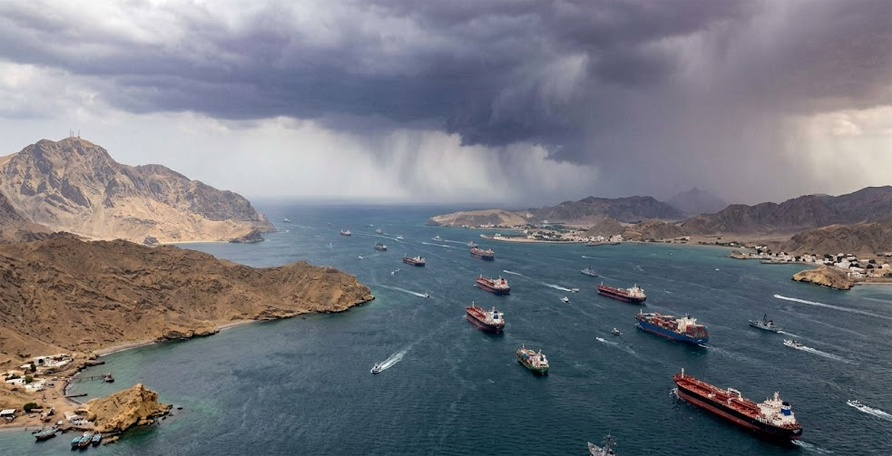
The
regional
stakes
are
high.
Concerns
over
shipping
lanes,
the
Strait
of
Hormuz
and the
risk of
broader
spillover
have
kept the
crisis
from
being
treated
as a
purely
bilateral
dispute.
Even if
neither
side is
seeking
an
immediate
rupture,
the
combination
of
rhetoric,
military
signaling
and
unresolved
diplomacy
keeps
the
situation
unstable.
In this
tense
environment,
Washington
is now
advancing
a
one‑page
memorandum
being
negotiated
through
intermediaries
that
would
effectively
serve as
a
short‑term
ceasefire
framework.
Under
the
emerging
draft,
Iran
would
agree to
halt
nuclear
enrichment
activities
for more
than a
decade,
commit
not to
pursue
nuclear
weapons
or
weaponization,
and
accept a
more
intrusive
inspection
regime,
including
unannounced
visits
by UN
monitors.
The
U.S., in
turn,
would
pledge
to
gradually
lift
sanctions
and
release
billions
of
dollars
in
frozen
Iranian
assets,
while
easing
restrictions
on
transit
through
the
Strait
of
Hormuz.
The memo
would
also
open a
30‑day
window
for
detailed
negotiations
on a
broader
deal,
with the
understanding
that if
talks
collapse,
Washington
would be
free to
reinstate
military
operations
or
reimpose
a
blockade.
Trump
has
presented
this
memo as
the core
of his
diplomacy,
a
concise
ceiling
that
locks in
basic
concessions
while
leaving
the hard
details
to
follow.
Iran,
meanwhile,
has not
yet
signed
on, and
the tone
from
Tehran
remains
cautious.
Iranian
officials
say any
agreement
must be
reciprocal
and
cannot
be an
extension
of
American
pressure
repackaged
as a
diplomatic
win.
They are
also
rejecting
the
notion
that
nuclear
talks
can be
separated
from a
wider
settlement
that
includes
regional
security
and U.S.
military
posture
in the
Middle
East.
For now,
the
pattern
is
clear:
Trump is
trying
to
leverage
fear of
escalation
and
economic
pain
into a
lean,
one‑page
arrangement
that he
can
claim as
a
victory,
while
Iran is
testing
how much
space
remains
for
negotiation
without
conceding
what it
views as
core
strategic
interests.
That is
a
dangerous
formula
in a
region
where
miscalculation
can move
faster
than
diplomacy,
and
where
every
verbal
signal
is
parsed
as a
potential
step
toward
war or a
first
step
toward a
fragile
peace.
|
|
|
|
|
|
|
|
|




 I
HI TECH NEWS
I
SPORTS
I
I
HI TECH NEWS
I
SPORTS
I