|
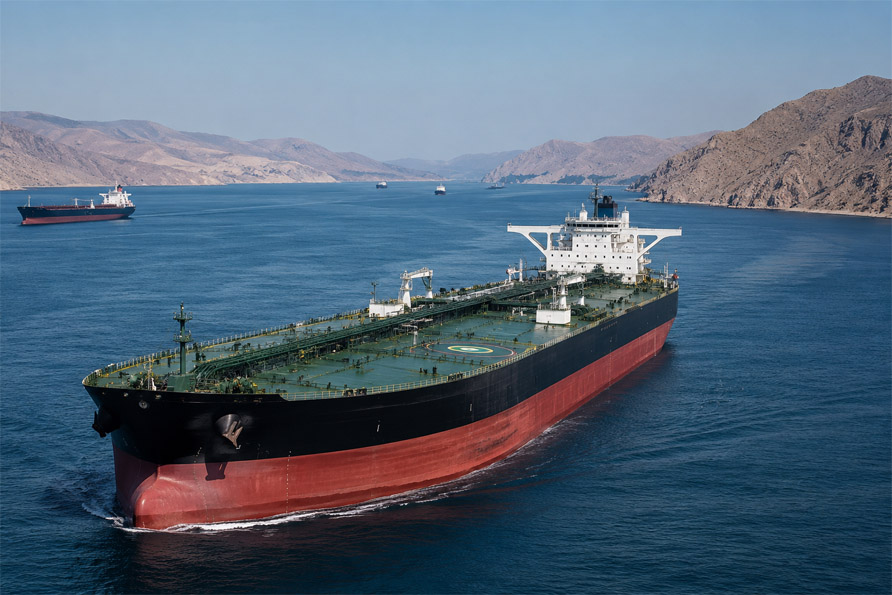
Iran and
Oman
continue
negotiations
over
reopening
the
Strait
of
Hormuz,
a narrow
but
critical
waterway
through
which a
significant
portion
of the
world’s
oil
supply
travels.
Shipping
traffic
has
dropped
sharply
in
recent
weeks
due to
heightened
military
activity,
naval
blockades,
and
uncertainty
over the
future
of the
strait’s
governance.
(Tell Us
USA AI
Image) |
|
|
|
|
|
 |
 |
 |
|
|
|
|
|
|
 |
|
|
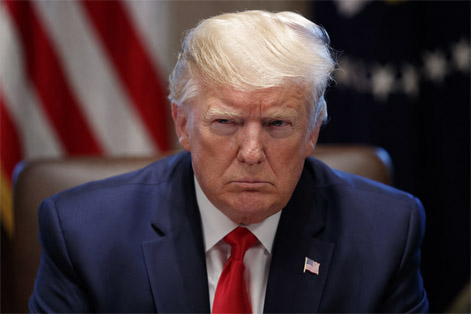
Donald
Trump
escalated
tensions
in the
Gulf
region
after
declaring
that the
United
States
would
“bomb
the shit
out of
Oman” if
the
country
obstructed
U.S.
objectives
surrounding
the
Strait
of
Hormuz.
(Tell Us
USA AI
Image) |
| |
U.S.–Iran
Tensions
Spike
After
Trump
Threatens
to “Bomb
the Shit
out of
Oman”
Patricia
Romero -
International
-
Politics
Tell Us
USA News
Network
WASHINGTON
-
President
Donald
Trump
escalated
tensions
in the
Gulf
region
after
declaring
that the
United
States
would
“bomb
the shit
out of
Oman” if
the
country
obstructed
U.S.
objectives
surrounding
the
Strait
of
Hormuz.
The
remark,
made
during a
televised
interview,
immediately
drew
international
attention
because
Oman has
historically
served
as one
of
Washington’s
most
reliable
diplomatic
intermediaries
in the
Middle
East.
Trump’s
threat
marks
one of
the most
direct
confrontations
he has
aimed at
a U.S.
ally
during
the
current
standoff
with
Iran.
The
comments
come as
Iran and
Oman
continue
negotiations
over
reopening
the
Strait
of
Hormuz,
a narrow
but
critical
waterway
through
which a
significant
portion
of the
world’s
oil
supply
travels.
Shipping
traffic
has
dropped
sharply
in
recent
weeks
due to
heightened
military
activity,
naval
blockades,
and
uncertainty
over the
future
of the
strait’s
governance.
Maritime
tracking
data
showed
only a
small
number
of cargo
vessels
passing
through
the
corridor
over the
weekend,
raising
concerns
about
global
energy
markets
and the
potential
for
price
spikes
if the
situation
worsens.
Oman’s
role in
the
region
is
unique.
For
decades,
the
country
has
positioned
itself
as a
neutral
mediator,
maintaining
open
communication
channels
with
both
Washington
and
Tehran.
Its
current
talks
with
Iran
focus on
navigational
rights,
security
protocols,
and the
possibility
of
shared
oversight
of the
strait.
Iranian
officials
insist
they are
not
engaged
in
direct
negotiations
with the
United
States,
though
Trump
has
repeatedly
claimed
that
backchannel
messages
have
been
exchanged
through
intermediaries
connected
to
Iran’s
Revolutionary
Guard
Corps.
Trump
has also
reiterated
that
preventing
Iran
from
developing
a
nuclear
weapon
remains
his top
foreign
policy
priority.
Trump’s
threat
toward
Oman has
sparked
criticism
from
foreign
policy
analysts,
former
diplomats,
and
regional
experts
who warn
that
such
rhetoric
could
destabilize
an
already
fragile
environment.
Oman has
traditionally
avoided
entanglement
in
regional
conflicts,
and its
cooperation
has been
essential
in past
U.S.
diplomatic
efforts,
including
prisoner
exchanges
and
de-escalation
talks.
Analysts
say that
threatening
military
action
against
a
partner
known
for
neutrality
risks
undermining
future
negotiations
and
could
push
Oman
closer
to
regional
powers
seeking
to
counter
U.S.
influence.
The
Strait
of
Hormuz
remains
one of
the most
strategically
important
waterways
in the
world.
Any
disruption
has
immediate
consequences
for
global
oil
markets,
shipping
companies,
and
countries
dependent
on
energy
imports.
Economists
warn
that
prolonged
instability
could
trigger
supply
chain
disruptions
and
higher
fuel
prices
worldwide.
Military
strategists
also
caution
that a
strike
on Oman
could
provoke
unpredictable
responses
from
Iran and
other
regional
actors,
potentially
widening
the
conflict.
Oman has
not
publicly
indicated
any
intention
to
jointly
control
the
strait
with
Iran,
nor has
it
suggested
opposition
to U.S.
interests
in the
region.
However,
Trump’s
remarks
highlight
the
administration’s
increasingly
confrontational
posture
as
diplomatic
efforts
stall
and the
deadline
for the
Iran–Oman
memorandum
approaches.
The
threat
adds a
new
layer of
uncertainty
to an
already
volatile
situation,
leaving
regional
governments
and
global
markets
bracing
for
potential
escalation.
|
|
|
|
|
|
|
|
|

 I
HI TECH NEWS
I
SPORTS
I
I
HI TECH NEWS
I
SPORTS
I