|
A narrow
waterway,
a global
lifeline,
and a
growing
geopolitical
standoff.
As
tensions
rise,
the
Strait
of
Hormuz
once
again
becomes
a focal
point of
international
attention.
(AI
image by
Tell Us
Worldwide
Media) |
|
|
|
|
|
 |
 |
 |
|
|
|
|
|
|
 |
|
|
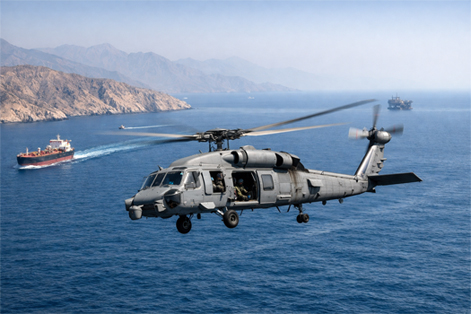
The
Apache,
a
signature
instrument
of U.S.
air
power in
the
region,
went
down
while
patrolling
waters
just off
the
coast of
Oman, in
one of
the
world’s
most
strategically
loaded
lanes
for oil.
The
United
States
has lost
an
aircraft
in
contested
waters,
and
Tehran
and
Washington
are now
both
claiming
the
other
picked
the
fight.
(AI
image by
Tell Us
Worldwide
Media) |
| |
Strait
of
Hormuz
incident
triggers
fresh
U.S.-Iran
military
escalation
Daoud
Al-Jaber
- Middle
East
Affairs
Analysis
Tell Us
Worldwide
News
Network
DUBAI,
United
Arab
Emirates
— The
old
rules of
deterrence
in the
Middle
East are
fraying
faster
than
many
analysts
expected.
Monday’s
crash of
an
American
Army
Apache
helicopter
near the
Strait
of
Hormuz
has
become
the
spark
that
turned
simmering
Cold
War-style
rivalry
between
Washington
and
Tehran
into a
full-bore,
kinetic
confrontation.
The
Apache,
a
signature
instrument
of U.S.
air
power in
the
region,
went
down
while
patrolling
waters
just off
the
coast of
Oman, in
one of
the
world’s
most
strategically
loaded
lanes
for oil.
The two
crew
members
were
rescued
and are
reported
stable,
but the
symbolic
damage
is far
more
immediate:
the
United
States
has lost
an
aircraft
in
contested
waters,
and
Tehran
and
Washington
are now
both
claiming
the
other
picked
the
fight.
Trump,
who has
been
careful
to avoid
a direct
war with
Iran for
most of
his
term,
has
pivoted
to the
confrontational
stance.
He says
Iran
shot
down the
helicopter,
vowed
retaliation,
and the
Pentagon
under
his
orders
moved
quickly
to
strike
Iranian
air
defense
and
radar
systems.
CENTCOM
called
the
strikes
“measured”
and
“proportional,”
but the
word on
the
ground
is that
this is
not a
measured
escalation;
it is a
reset of
the
conflict’s
baseline.
Iran has
not
directly
confirmed
responsibility
for the
Apache’s
downing,
but its
rhetoric
and
actions
suggest
it is
ready to
absorb
the blow
and
return
tit for
tat.
Reports
say
Iranian
forces
have
targeted
U.S.
assets
in
Bahrain,
Jordan,
and
Kuwait,
and the
Revolutionary
Guards
are
signaling
that
they are
not
backing
down.
The
question
is
whether
both
sides
can stop
letting
this
single
incident
define
the next
phase of
the
conflict,
or
whether
they are
locked
into a
spiral
where
each
strike
demands
another.
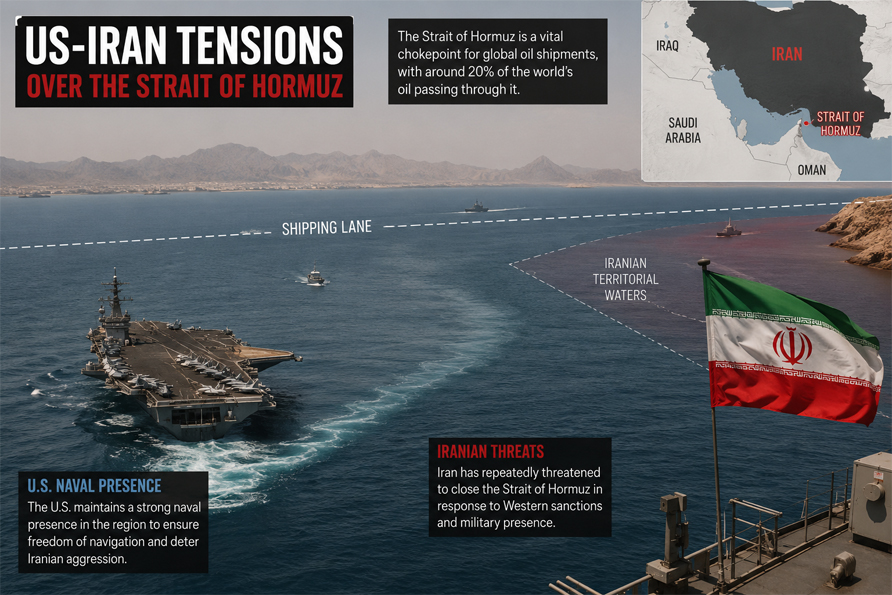
The
Strait
of
Hormuz
remains
the
geopolitical
knife
edge
here.
Any
disruption
in this
narrow
passage
ripples
through
energy
markets,
shipping
schedules,
and the
risk
calculations
of every
major
power in
the
water
lane
from the
Persian
Gulf to
the
Indian
Ocean. A
single
downed
helicopter
in these
waters
is not
just a
tactical
event;
it is a
political
earthquake
with
global
consequences.
What
happens
next is
no
longer
about
whether
the
United
States
and Iran
will
clash.
They
already
are. The
question
now is
whether
this
will
remain a
series
of
strikes
and
counterstrikes
or
whether
it
becomes
the
opening
chapter
of a
broader,
more
dangerous
war in
the
Middle
East.
That
decision
is being
made in
the
hours
and days
after
the
Apache
fell, in
the
quiet
corridors
of the
White
House,
in the
command
centers
of
CENTCOM,
and in
the
halls of
Iran’s
leadership.
The
world is
watching,
and the
risk of
a wider
war is
now
palpable.
|
|
|
|
|
|
|
|
|

 I
HI TECH NEWS
I
SPORTS
I
I
HI TECH NEWS
I
SPORTS
I