|
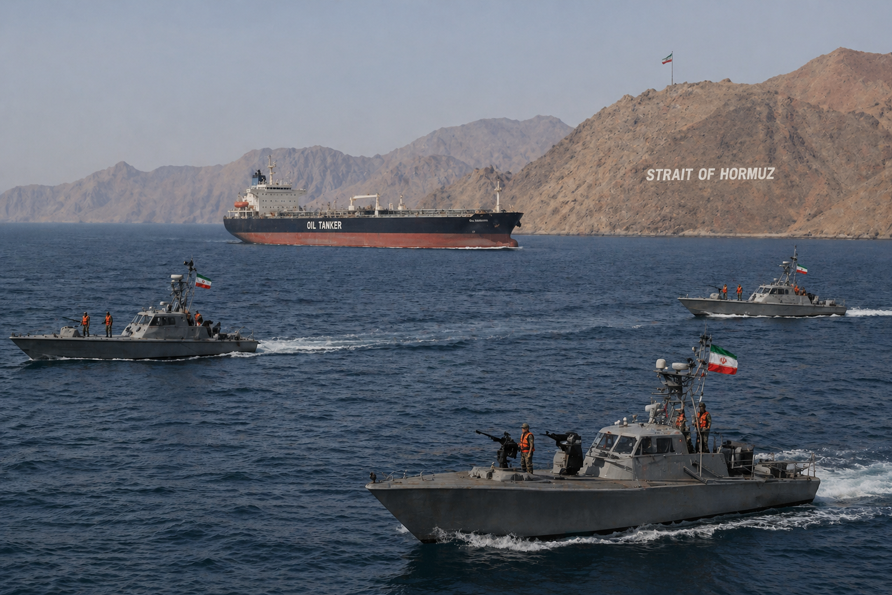
In the
weeks
after
the
Trump
administration
conducted
strikes
on
February
28, Iran
responded
with a
wave of
attacks
that
struck
dozens
of
targets
across
U.S.
military
bases in
seven
Middle
Eastern
countries.
(AI
generated
image) |
|
|
|
|
|
 |
 |
 |
|
|
|
|
|
|
|
|
|
|
| |
U.S.-Iran
Talks in
Deadlock
as
Tehran
Proposes
Nuclear
Delay
Daoud
Al-Jaber
- Middle
East
Affairs
Analysis
Tell Us
Worldwide
News
Network
WASHINGTON
/ TEHRAN
/
ISLAMABAD
— Iran
has put
forward
a new
proposal
to the
United
States
that
would
reopen
the
Strait
of
Hormuz
and
bring
the war
to an
end —
but with
nuclear
negotiations
explicitly
postponed
to a
later
stage.
The
proposal
was
relayed
through
Pakistan,
which
has been
serving
as an
intermediary
between
Washington
and
Tehran.
The
diplomacy
is at a
stalemate,
and the
Iranian
leadership
is
reported
to be
internally
divided
over
what
nuclear
concessions
should
even be
on the
table.
The new
offer
appears
designed
to
sidestep
that
division
by
shelving
the
nuclear
issue
for now.
However,
U.S.
officials
have
expressed
concern
that
accepting
the
proposal
could
undermine
Washington's
negotiating
position.
Accepting
such a
deal
could
fast-track
an end
to the
war, but
it would
eliminate
much of
the
Trump
administration's
current
leverage
over
Iran on
nuclear
matters
— an
issue
President
Trump
has
previously
described
as "the
only
point
that
really
mattered."
The U.S.
position
has been
that
Iran
must
conduct
zero
enrichment,
a demand
Iran has
rejected
on
multiple
occasions.
Negotiations
have
also
raised
proposals
for
another
country,
such as
Russia,
to take
custody
of
Iran's
enriched
uranium,
but the
Iranian
foreign
ministry
has said
the
uranium
will
under no
circumstances
be
transferred
anywhere.
Iran
refuses
to
relinquish
its
nuclear
programme,
which it
insists
is for
peaceful
purposes
only.
Iranian
President
Masoud
Pezeshkian
has made
clear
his
country
will not
enter
what he
called
"imposed
negotiations"
under
threats
or a
naval
blockade.
Hopes of
talks in
the
Pakistani
capital
over the
weekend
dissipated
after
President
Trump
cancelled
a
planned
visit by
his
envoys.
Trump
subsequently
told Fox
News
that
Iran
already
knew
what was
required,
saying
they
cannot
have a
nuclear
weapon
and that
otherwise
there is
no
reason
to meet.
Trump
also
signaled
he wants
to
maintain
the
naval
blockade
choking
off
Iran's
oil
exports,
hoping
it will
force
Tehran
to
capitulate
within
weeks.
Iranian
Foreign
Minister
Abbas
Araghchi,
for his
part,
blamed
Washington
for the
breakdown,
saying
that
excessive
demands
from
U.S.
negotiators
caused
the
previous
round of
talks to
fail
despite
some
progress
having
been
made.
Amid the
impasse,
Iran's
top
diplomat
has been
engaged
in an
intensive
round of
regional
outreach.
Araghchi
visited
Islamabad
twice in
two
days,
held
talks in
Muscat,
Oman,
and then
met
Russian
President
Vladimir
Putin in
St.
Petersburg
— a
72-hour
diplomatic
sprint
apparently
aimed at
securing
broader
regional
support
for
Tehran's
negotiating
position.
Discussions
in
Muscat
focused
on the
Strait
of
Hormuz,
regional
security
guarantees,
and the
framework
for a
potential
settlement,
with
nuclear
issues
set
aside
for a
later
stage.
Analysts
say
Tehran
is
drawing
lessons
from the
collapse
of the
2015
nuclear
deal.
When
Trump
withdrew
from the
agreement
during
his
first
term in
2018,
Iran was
left
without
regional
backing
and
without
a
guarantor
capable
of
holding
Washington
to its
commitments
— a
vulnerability
Tehran
appears
determined
not to
repeat.
Trump's
national
security
team is
now
reviewing
the
Iranian
peace
plan to
halt the
war and
reopen
the
Strait
of
Hormuz.
The
White
House
has kept
its
public
statements
measured,
with
spokesperson
Olivia
Wales
saying
the U.S.
will
only
make a
deal
that
puts the
American
people
first
and will
never
allow
Iran to
have a
nuclear
weapon.
Despite
the
breakdown
in
direct
engagement,
diplomacy
continues
via
indirect
channels,
and the
ceasefire
between
the two
sides is
still
largely
holding
—
indicating
that
neither
side is
eager
for an
immediate
return
to
full-scale
hostilities.
Experts
caution
that the
current
deadlock
reflects
a
slowdown
rather
than a
total
collapse,
pointing
to
historical
precedent
as
evidence
that
major
diplomatic
breakthroughs
are
rarely
linear.
For now,
the
world
watches
as both
sides
maneuver,
with the
fate of
Iran's
nuclear
programme,
control
of one
of the
world's
most
critical
maritime
chokepoints,
and the
broader
stability
of the
Middle
East
hanging
in the
balance.
|
|
|
|
|
|
|
|
|

 I
HI TECH NEWS
I
SPORTS
I
I
HI TECH NEWS
I
SPORTS
I